Tips from people who actually make lists
Kitchen organization, groceries and weekly planning — no fuss.
Here you'll find practical guides on shopping lists, pantry organization and meal planning. No gimmicky techniques or expensive products — just what actually works for people who cook at home for real. Every article comes with lists to copy, cost estimates and straight answers to the most common questions.
What you'll find here
Shopping lists
Complete guides with items organized by group, cost estimates by household type, and practical tips for different situations — a new home, a tight month, a big family, a couple. Every list is built for you to copy and adapt, not start from scratch every week.
You'll find everything from the basic grocery list with the 80 items almost everyone needs to situation-specific lists: moving, a party, a barbecue, a basic pantry basket. No exotic items you'll never use.
Pantry and fridge organization
How to organize the pantry by zone, which containers to use, how to label things, where to start when everything's a mess — and how to keep it organized day to day without needing a whole Sunday to redo it all again.
No expensive products, no home-magazine aesthetics. The focus is functional: what actually cuts waste, makes the most-used ingredients easier to reach, and gets the pantry working for your real cooking routine.
Meal planning and saving money
How to build a weekly meal plan that respects your available time and budget, why planning before you shop makes a real difference in the monthly bill, and which simple habits cut spending without giving up what you like to eat.
Consumer behavior research shows shopping without a list costs 20% to 30% more. The articles here explain how that plays out in your routine — and what to do about it.

Basic Grocery List: The Complete Guide (80+ Items)
A basic grocery list covering all 7 essential categories, 80+ items to copy, how to adjust it to your household, monthly cost by household size, and 5 tips to save at checkout.
Read article →
New Home Checklist: 60+ Things You Actually Need (Room by Room)
A room-by-room new home checklist with 60+ essentials, what to buy on day one, the items everyone forgets, and a real cost estimate by household size.
Read article →
How to Organize a Pantry: A Practical 7-Step Guide
Learn how to organize a pantry from scratch: empty it out, group by category, apply FIFO, and label everything — plus a simple system for the fridge too.
Read article →
How to Save Money on Groceries: 12 Habits That Actually Work
Saving money on groceries starts before you leave the house. 12 practical habits about lists, pantry, and meal planning that cut spending without cutting what you eat.
Read article →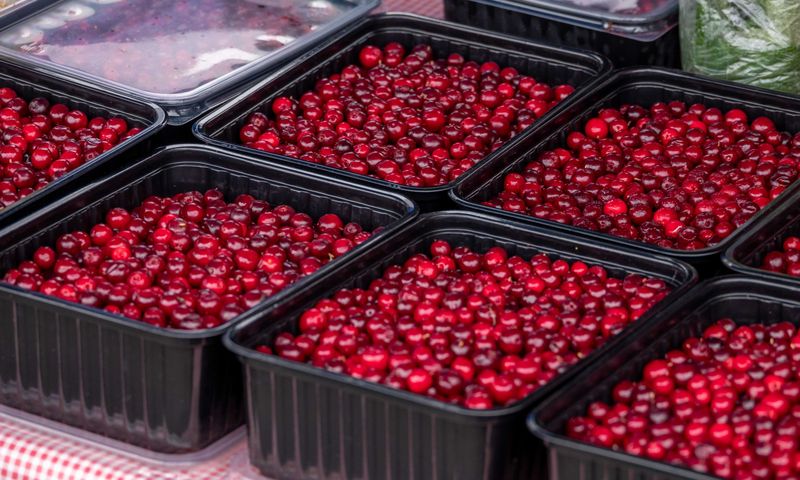
Cranberry Benefits: What the Science Actually Says
Cranberry is famous for UTI prevention, but does it work? Here’s what fresh, dried, juice, and supplements actually do — and how to use the fruit itself, not just the marketing around it.
Read article →
What Are Pistachios? Raw vs Roasted, Uses, and Storage
Pistachios are seeds with a hard shell and a bright green center. See raw vs roasted, shelled vs unshelled, how many to eat, and how to store them.
Read article →
Recipe Notebook: How to Organize It and Keep Using It
A recipe notebook only works if you keep using it past week two. What to write down, how to organize it by category, and when digital beats paper for good.
Read article →
Flaxseed Oil: Benefits, How to Use It, and How to Store It
Flaxseed oil is a concentrated plant source of omega-3. See the real heart and skin benefits, why it should never touch a hot pan, and how to store it so it lasts.
Read article →
Chia Seeds: Protein, Benefits, and How to Use Them
Chia seeds pack fiber, omega-3, and a rare plant-based complete protein. See the real numbers, how the gel works, and when chia beats flaxseed.
Read article →
Turmeric: What It Actually Does, and How to Use It Right
Turmeric is the earthy yellow spice behind curry and golden milk. What curcumin really does, why black pepper matters for absorption, and how to cook, buy, and store it.
Read article →
Monthly Grocery List: Quantities and How to Spend Less
A monthly grocery list with quantities by household size, what to buy once a month versus every week, and practical ways to keep the checkout total under control.
Read article →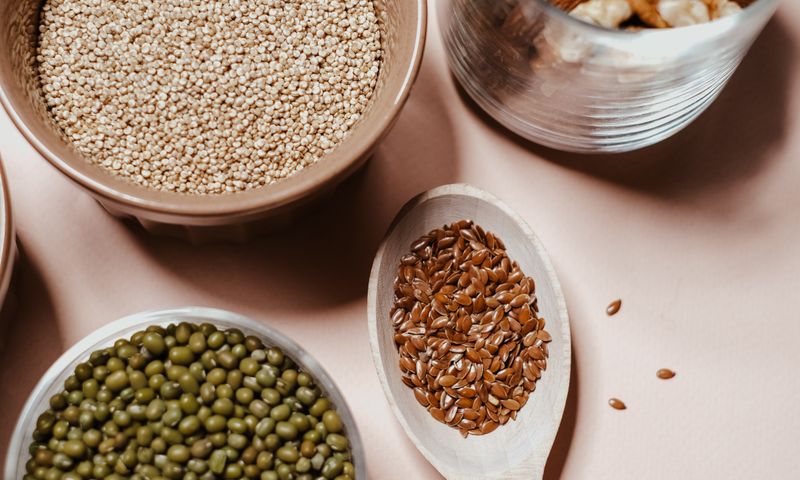
Foods High in Magnesium: Full List and Daily Amounts
Magnesium hides in pumpkin seeds, black beans, and dark chocolate. See 12 foods with mg per serving and how to fit more into your week without a supplement.
Read article →
Simple Weekly Meal Plan: How to Build One From Scratch
A simple weekly meal plan: a practical 7-day example with lunch and dinner, how to turn it into a shopping list, and tips to keep it going every week.
Read article →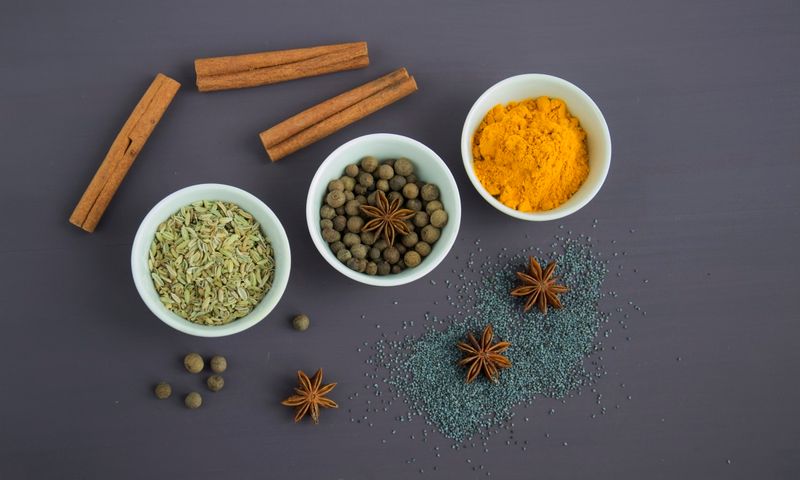
Nutmeg: What It’s For and How to Use It in Cooking
Nutmeg deepens the flavor of creamy dishes and sweets — it’s not the star ingredient. See what it is, how much to use, and how to store it without losing the aroma.
Read article →
Ginger 101: Fresh vs Ground, Uses, and How to Store It
Ginger is a spicy, fragrant rhizome used fresh, dried, or ground. See the real difference between fresh and ground ginger, how to cook with it, and how to store it.
Read article →
Pomelo vs Grapefruit: What's Different and How to Eat One
Pomelo is the largest citrus fruit on earth and grapefruit's direct ancestor, not the same fruit. What sets them apart, the nutrition facts, and how to eat one.
Read article →
What Is Granola? Nutrition, Sugar, and How to Pick a Good One
Granola is toasted oats mixed with nuts, seeds, and dried fruit. See what’s actually in it, how many calories per serving, and what to check on the label before buying.
Read article →
Is Canola Oil Bad for You? Smoke Point, Uses & Facts
Canola oil has the lowest saturated fat of any common cooking oil and a smoke point around 400°F. Here is what the "seed oil" debate actually gets right — and wrong.
Read article →
7-Day Low Carb Meal Plan: Meals Ready to Copy
A 7-day low carb meal plan with breakfast, lunch, and dinner ready to go. Includes a shopping list and tips for not quitting by Wednesday.
Read article →
Baking Soda: Kitchen Uses, Storage & Substitution Tips
Baking soda leavens batter, tenderizes meat, speeds up bean cooking, and scrubs pots. Learn how it differs from baking powder and how long it actually lasts.
Read article →
Healthy Grocery List: What to Buy by Food Group (+ Budget)
A healthy grocery list organizes produce, protein, and whole grains before you ever hit the store. Categories, a realistic monthly budget, and tips to stick to the plan.
Read article →
Carnivore Diet: What to Eat, 7-Day Menu, and the Risks
The carnivore diet cuts out every plant food and keeps only meat, fish, and eggs. What to eat, what to skip, a 7-day sample menu, and the risks worth knowing first.
Read article →
Sweet Potato: Nutrition Facts, Types, and How to Cook It
Sweet potatoes pack beta-carotene, fiber, and slow-digesting carbs. See the nutrition breakdown, main varieties, and how to store and cook them without waste.
Read article →
Radish Benefits: Nutrition, Uses, and Why It’s Worth Buying
Radish has vitamin C, fiber, and just 16 calories per 100g. See the health benefits, the nutrition facts, and how to actually use this cheap vegetable in the kitchen.
Read article →
Spinach Benefits: Nutrition Facts, Raw vs Cooked, and How to Use It
Spinach has 23 calories per 100g and over 400% of your daily vitamin K in one serving. See the real benefits, what changes when you cook it, and how to use it without a salad every night.
Read article →
Capers: What They Are, How to Use Them, and Substitutes
Capers are pickled flower buds with a salty, briny bite. Learn what they are, how to use them in cooking, the best substitutes, and how to store them.
Read article →
Kiwi Fruit Benefits: Nutrition, Vitamin C, and How to Eat It
Kiwi has more vitamin C than an orange, an enzyme that helps digest protein, and just 61 calories per 100g. See the real benefits, green vs gold, and how to store it.
Read article →
What Is Cream Cheese? Types, Uses, and Cream Cheese vs Neufchâtel
Cream cheese is a soft, mildly tangy fresh cheese invented in the US in 1872. See the types you’ll find at the store, how it compares to Neufchâtel, and how to cook with it.
Read article →
Blueberry Benefits: Nutrition, Fresh vs Frozen, and How to Store Them
Blueberries are small, dark berries packed with anthocyanins. See the real nutrition numbers, whether fresh or frozen is better, and how to keep a carton from going soft in three days.
Read article →
Apples: Types, Nutrition Facts, and Best Uses in the Kitchen
A medium apple has about 95 calories and 4g of fiber. Learn the differences between Honeycrisp, Granny Smith, Fuji, and Gala — and which one to bake, cook, or eat raw.
Read article →
Parboiled Rice: What It Is, Benefits, and How to Cook It
Parboiled rice is steamed under pressure before milling, which keeps more nutrients than white rice. See how it compares to brown rice and how to cook it right.
Read article →
Extra Virgin Olive Oil: Benefits, Types, and Can You Fry With It
Extra virgin olive oil is rich in monounsaturated fat and polyphenols with real cardiovascular benefits. See the types, whether you can fry with it, how much to use daily, and how to store it.
Read article →
Garlic 101: Health Benefits, Types, and How to Store It
Garlic is a pungent bulb in the onion family. See what it is, the main types, how to cook with it, the benefits backed by science, and how to store it right.
Read article →
Cucumber Nutrition: Calories, Benefits, and How to Use It
Cucumber is about 15 calories per 100g and 95% water. See the full nutrition breakdown, health benefits, cucumber types, and how to use it beyond salad.
Read article →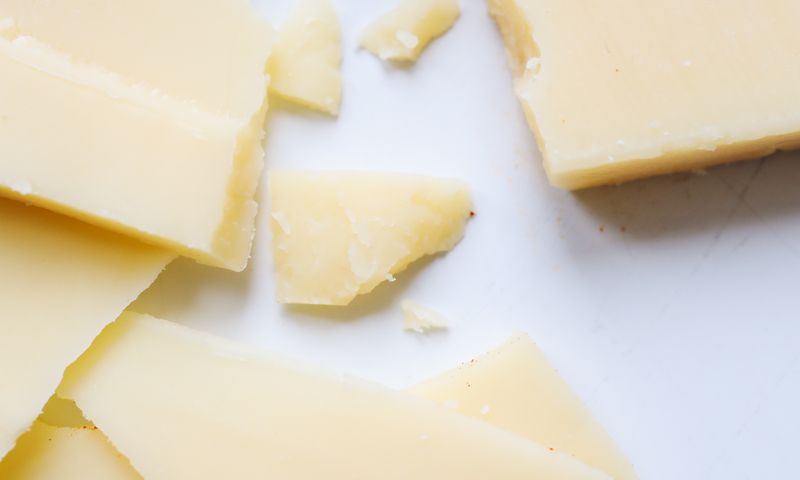
What Is Ricotta? Ricotta vs Cottage Cheese and How to Use It
Ricotta is made from whey, not curdled milk — that is what separates it from cottage cheese. See the real differences, the nutrition numbers, and how to cook with it.
Read article →
Grocery List by Category: How to Shop Faster and Spend Less
A grocery list organized by category — produce, meat, dairy, pantry, household — plus what to check before you shop and five habits that keep the checkout total in check.
Read article →
Mackerel Nutrition: More Omega-3 Than Salmon, Half the Price
Mackerel is an oily fish with about 5,100mg of omega-3 per 100g — more than salmon. What it is, fresh vs canned, the mercury question, and how to cook it.
Read article →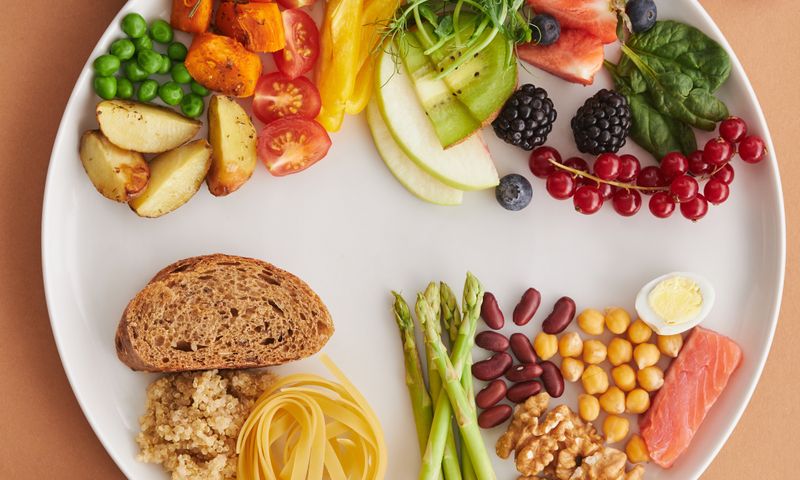
10 High-Protein Foods You Probably Already Have
The 10 most practical high-protein foods for home cooking: eggs, chicken, beans, and more. Protein per serving and how to fit more in without overhauling your diet.
Read article →
Margarine vs. Butter: The Real Difference, Explained
Margarine is made from vegetable oils, not milk fat. See how it actually differs from butter, whether it's healthier since the trans fat ban, and when to use each.
Read article →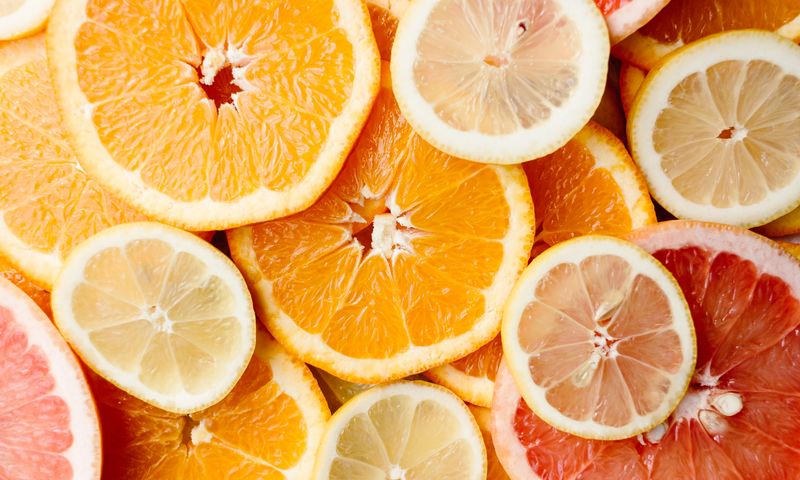
Citrus Fruits: Types, Vitamin C, and How to Use Them
Oranges, lemons, limes, mandarins, and grapefruit: what actually counts as citrus, how much vitamin C each one has, and how to pick, store, and cook with them.
Read article →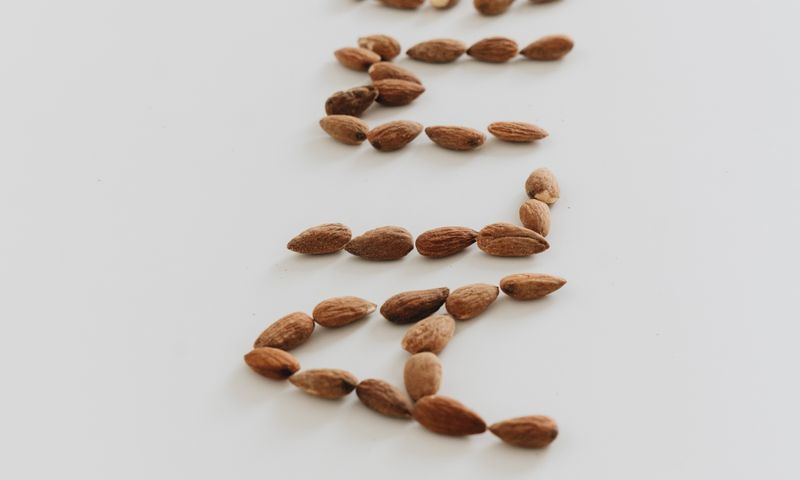
Almonds: Raw vs Roasted, Nutrition, and How Many to Eat
What almonds actually are, the real difference between raw and roasted, how many to eat a day, and how to store a bag so it never goes stale.
Read article →
Gluten-Free Foods: The Complete List for Grocery Shopping
Rice, corn, potatoes, fresh meat, and most fruits and vegetables are naturally gluten-free. See the full list, where gluten hides, and how to actually read a label.
Read article →
No-Sugar Diet: What to Eat, What to Cut, and How to Start
A practical guide to a no-sugar diet: what you can eat, where added sugar hides on labels, and how to cut it out without giving up in a week.
Read article →
White Bread: Nutrition, Calories, and How to Choose It Well
White bread is made from refined flour — less fiber, higher glycemic index. See how many calories it has, how it compares to whole wheat, and how to pick a good loaf.
Read article →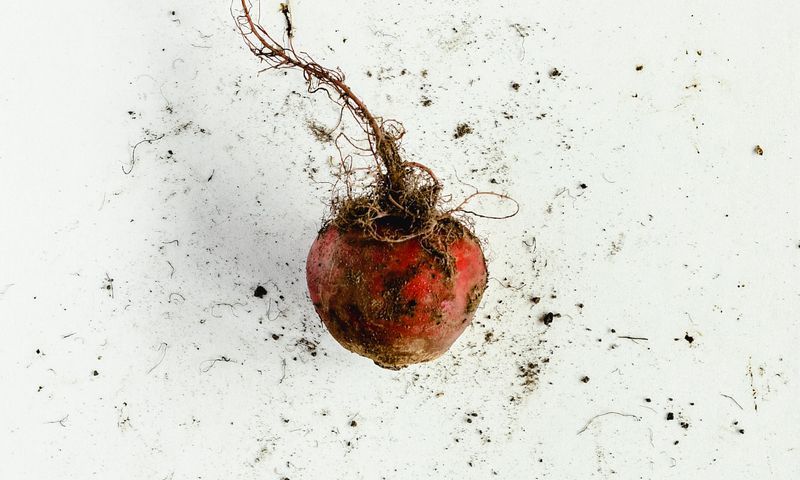
Turnip 101: Nutrition, Benefits, and How to Cook It
Turnip is a low-calorie root vegetable with vitamin C and fiber that most people walk past at the store. What it is, its benefits, and how to cook it well.
Read article →
Balsamic Vinegar: Real vs. Fake and How to Use It
Balsamic vinegar is aged grape must, not wine vinegar with caramel color. Learn to spot the real thing, how to use it, substitutes, and how to store it.
Read article →
Tuna: Nutrition Facts, Canned vs Fresh, and How to Cook It
Canned tuna packs 24g of protein per 100g and real omega-3s. Learn the difference between fresh and canned, oil vs water, chunk vs flaked, and how to cook it.
Read article →
Quinoa: Benefits, Nutrition Facts, and How to Cook It Right
Quinoa is a complete-protein pseudocereal from the Andes. What it is good for, how to rinse it so it does not turn bitter, and the real nutrition facts.
Read article →
What Is Tahini? Sesame Paste, White vs Black, How to Use It
Tahini is a paste made from ground sesame seeds. See white vs black tahini, how to store it after opening, and how to use it beyond hummus.
Read article →
Horseradish 101: What It Is, Uses, and How to Store It
Horseradish is the pungent root behind steakhouse sauce and fake wasabi. What it is, how it differs from real wasabi, and how to store it so it lasts.
Read article →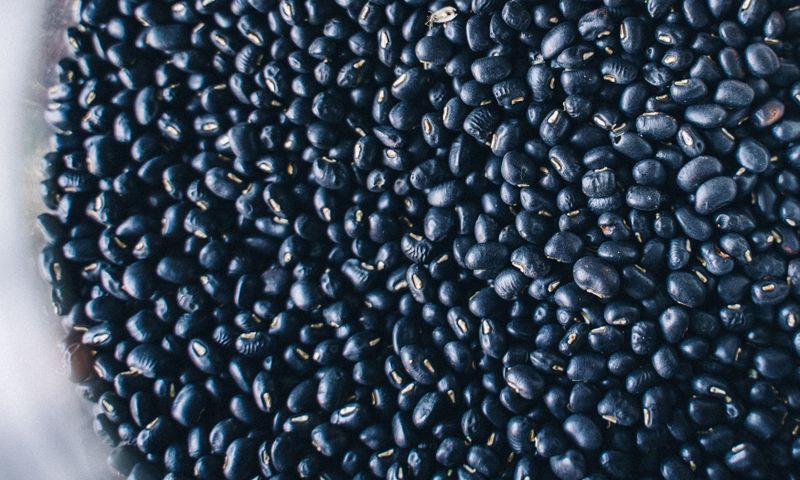
Black Beans: Nutrition, Benefits, and How to Cook Them
Black beans pack plant protein, iron, and fiber into every serving. See the health benefits, how they compare to pinto beans, and how to cook a pot from scratch.
Read article →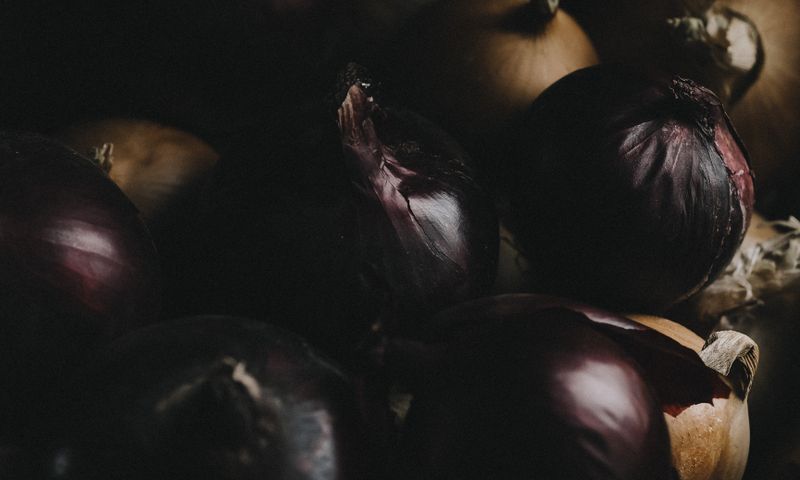
Red Onion Benefits: Nutrition, Antioxidants, and How to Use It
Red onion has anthocyanins and quercetin that yellow onion barely has. See the real benefits, what cooking destroys, and how to use it more in the kitchen.
Read article →
What Is Stevia? The Plant Behind the Zero-Calorie Sweetener
Stevia is a natural sweetener from a plant, up to 300 times sweeter than sugar, with zero calories and no effect on blood sugar. What it is, how it is made, and how to use it in the kitchen.
Read article →
Fresh vs. Dried Oregano: How to Use, Store, and Substitute
Fresh and dried oregano are not just different strengths — they behave differently in a dish. The 3:1 substitution ratio, how much to use, and how to store oregano so it keeps its punch.
Read article →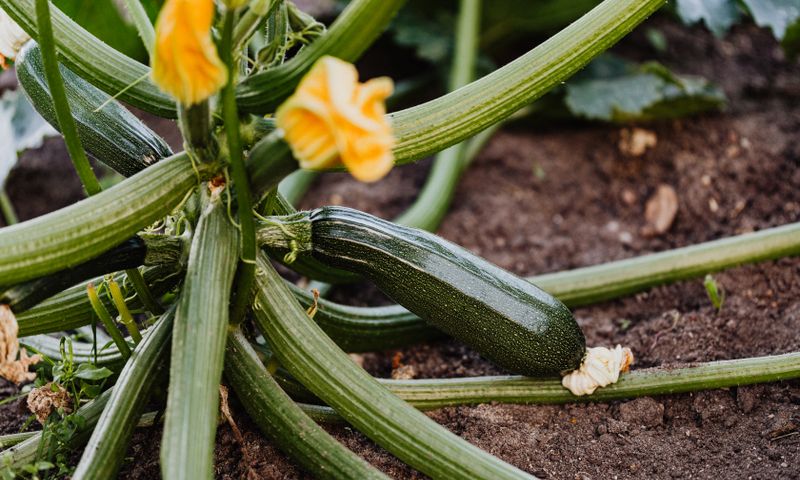
Zucchini Calories: Nutrition Facts, Benefits, and Storage
Zucchini has about 17 calories per 100g, almost no carbs, and works in nearly any recipe. Full nutrition table, types, and how to pick and store it.
Read article →
What Is Herring? Nutrition, Benefits, and How to Cook It
Herring is a small, oily fish loaded with omega-3 and vitamin D. What it is, how it compares to sardines, and how to cook with smoked or pickled herring.
Read article →
Brazilian Couscous (Cuscuz): Nutrition, Benefits, and How to Cook It
Brazilian couscous is steamed corn flour, not wheat semolina — naturally gluten-free, rich in fiber, iron, and selenium. What it is, real benefits, and how to use it.
Read article →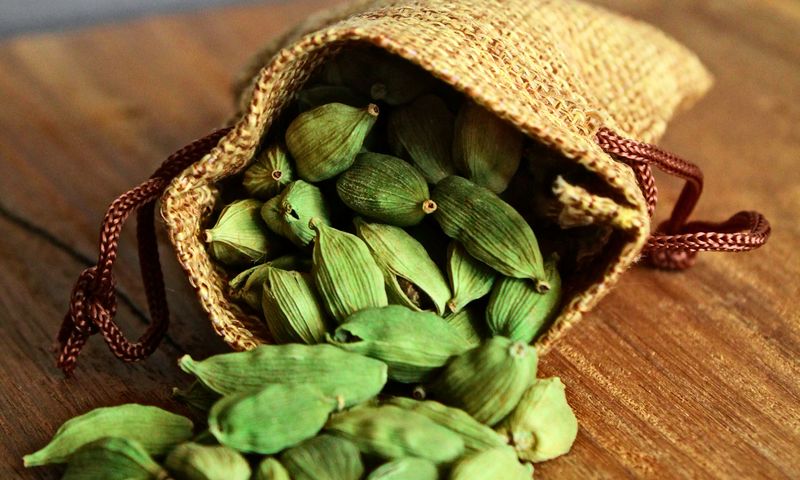
Cardamom: What It’s For, Types, and How to Use It
Cardamom is an intensely aromatic spice used in coffee, tea, curries, and baking. See green vs black cardamom, real benefits, and how to use it right.
Read article →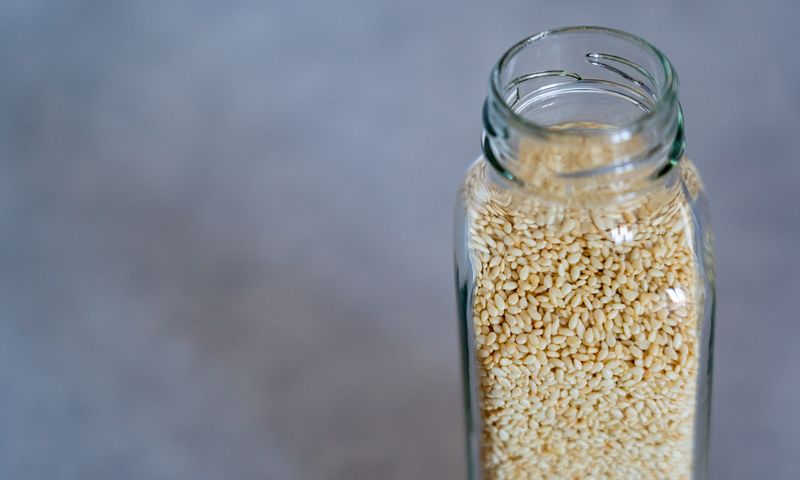
Sesame Oil: Toasted vs Raw, Benefits, and How to Use It
Sesame oil comes in two very different products — toasted and raw. The real difference, the science-backed benefits, and how to use each one without ruining a dish.
Read article →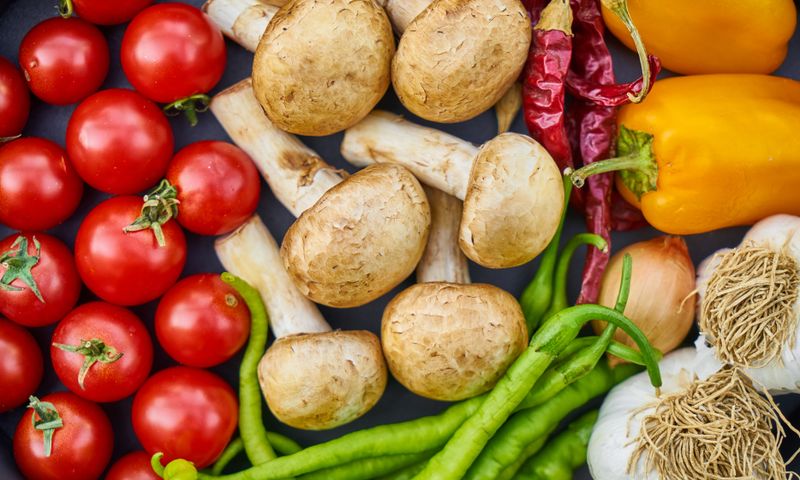
Types of Red Peppers: Heat Levels, Uses, and Benefits
Red peppers range from sweet bell peppers to fiery habaneros. See the types, heat levels, nutrition, and how to use each one in the kitchen.
Read article →
Rolled Oats Benefits: What Beta-Glucan Actually Does
Rolled oats are rich in beta-glucan, a fiber shown to lower LDL cholesterol and blunt blood sugar spikes. See the real benefits, the right dose, and which oat type to buy.
Read article →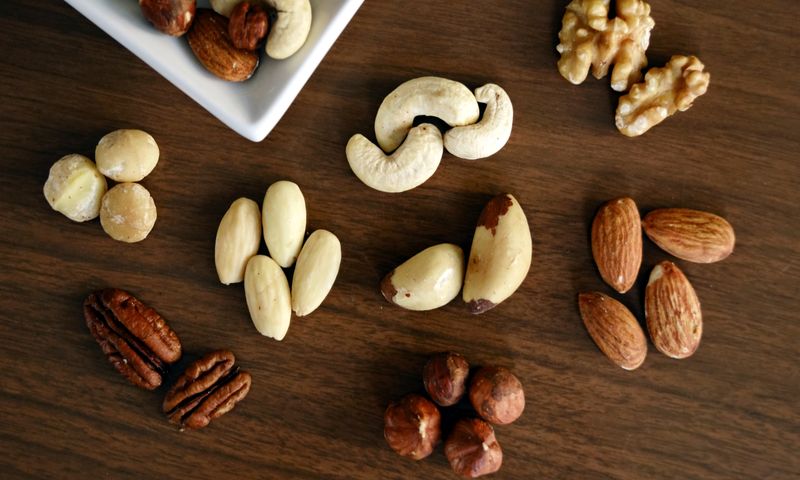
Hazelnuts: Nutrition, Benefits, and How to Use Them in the Kitchen
Hazelnuts are a nutrient-dense tree nut rich in vitamin E and healthy fats — the same one behind Nutella. What they are, benefits, how many to eat, and how to cook with them.
Read article →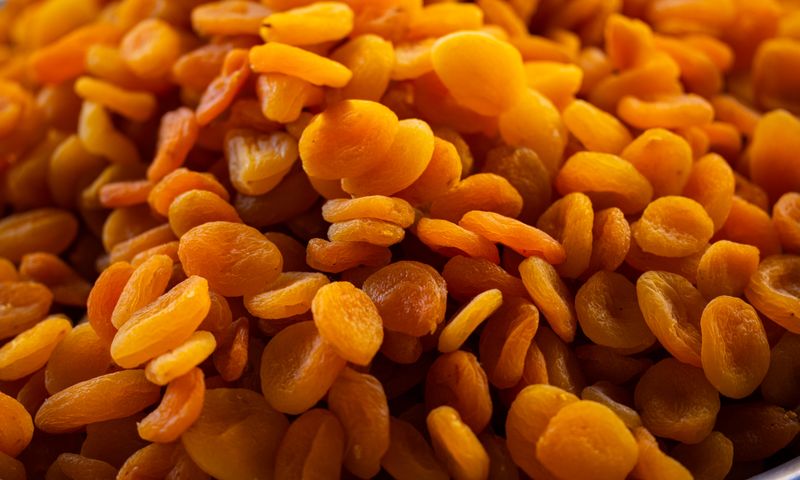
Dried Apricots: Nutrition, Benefits, and How to Use Them
Dried apricots are fresh apricots with the water removed — concentrating iron, potassium, and beta-carotene. What they are, real benefits, and how to cook with them.
Read article →Since you made it this far — try the app. It's free.
Open Mise →