

Photo: MART PRODUCTION / Pexels
What ricotta is
Ricotta is a fresh dairy product with a smooth texture and a nearly neutral flavor. The name comes from the Italian ricotta — "recooked" — which describes exactly how it is made: the liquid left over from cheesemaking gets heated a second time.
In the US, you will mostly find two versions on the shelf: whole-milk ricotta and part-skim ricotta, both sold in tubs. Some grocers also carry a firmer, saltier ricotta salata meant for grating, but that is a different product with a different job. The soft, tub-style ricotta is what most recipes mean when they just say "ricotta."
The mild flavor is the whole point. Ricotta does not compete with other ingredients — it carries seasoning, herbs, and other flavors without pushing its own taste to the front. That is why the same tub works in a spinach lasagna and a lemon ricotta cake.
How ricotta is made
When milk turns into cheese, casein proteins coagulate into the solid curd. What is left behind is whey — a pale, yellowish liquid still carrying a different set of proteins: albumin and globulin.
That whey gets reheated to around 195°F (90°C) with an acid — citric acid, vinegar, or lemon juice in home versions. The heat and acid together make the whey proteins coagulate. They rise to the surface as light, delicate curds, which get collected, drained, and packed. That is ricotta.
The process is simple but the yield is low: a lot of whey turns into a relatively small amount of ricotta. That is part of why it is priced the way it is — cheesemakers originally made it to avoid throwing the whey away, not as a primary product.
Is ricotta actually cheese?
Not in the strict technical sense, and the distinction matters more than it seems. Cheese is built on casein, the dominant protein in milk. Ricotta is built on albumin and globulin, the proteins left in the whey. Different proteins behave differently when heated, and they carry different nutrition numbers.
Most dairy regulators — including the FDA's standards for cheese and related products — classify ricotta separately from cheese proper, as a whey cheese. In practice, it sits in the same dairy case and gets used in the same contexts as fresh cheese.
For anyone managing a casein sensitivity, that distinction is worth knowing. Ricotta contains far less casein than standard cheese, but it is not entirely absent — if it is a clinical restriction, check with a doctor before relying on ricotta as a workaround.
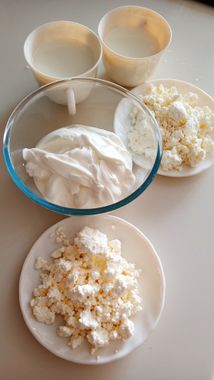
Photo: Konstantin Klimov / Pexels
Ricotta vs cottage cheese
These two get lumped together because they sit near each other in the dairy aisle and both read as "mild soft cheese." The base ingredient is where they actually split.
| Characteristic | Ricotta | Cottage cheese |
|---|---|---|
| Made from | Whey | Curdled whole milk |
| Texture | Smooth, slightly grainy | Distinct, wet curds |
| Flavor | Mild, subtly sweet | Tangy, salty |
| Calories /100g | ~174 kcal | ~98 kcal |
| Sodium /100g | ~84 mg | ~360 mg |
| Best for | Lasagna, cheesecake, baked dishes | Eating on its own, breakfast bowls |
Cottage cheese is lower in calories and fat, but it carries roughly four times the sodium of ricotta — a detail most people never check until they are watching their salt intake. Ricotta is the more versatile cooking ingredient: it melts into sauces and bakes evenly, where cottage cheese's distinct curds stay lumpy no matter what you do to them.
The most common mistake is swapping cottage cheese into a recipe that calls for ricotta — a lasagna filling, say — expecting the same result. It will not curdle or blend the same way. You can push cottage cheese through a food processor to smooth it out, but the flavor is still tangier and saltier than what the recipe was built around.
Nutrition facts for ricotta
Values per 100g of whole-milk ricotta, based on USDA FoodData Central:
- Calories: ~174 kcal
- Protein: ~11g
- Total fat: ~13g (mostly saturated)
- Carbohydrates: ~3g
- Sodium: ~84mg — noticeably lower than cottage cheese or aged cheese
Part-skim ricotta drops the fat to around 8g and the calories to roughly 138 kcal per 100g, with protein holding steady. It is an easy swap in most recipes — the end result changes very little.
One thing worth knowing: gram for gram, ricotta's low sodium is unusual for a dairy product. If you are cutting salt without cutting dairy, it is one of the easier trades to make.
Pantry and shopping list, in the same place. Mise connects the two.
Start free →
Photo: SHVETS production / Pexels
How to cook with ricotta
Ricotta works best anywhere you want protein and creaminess without a dominant flavor. It carries seasoning instead of fighting it — a supporting ingredient, not the star.
Savory dishes
Lasagna and stuffed pasta are the classic use. Ricotta mixed with spinach, garlic, and black pepper is the standard filling for lasagna, manicotti, and ravioli. Mash it well with a fork before mixing in — an even texture makes a real difference in the final dish.
Quiches and savory tarts come out lighter with ricotta swapped in for heavy cream. The texture shifts a bit — less rich, more delicate — but it works, and it cuts calories.
A quick spread is the fastest use of all. Ricotta mashed with olive oil, salt, pepper, and an herb comes together in 5 minutes. Good on crusty bread, crackers, or toast. Make it while the coffee brews, or the night before — covered, it holds until the next day in the fridge.
Sweet dishes
Ricotta cake has a different texture from a cake made with cream cheese — less dense, more moist. It pairs well with fruit (apple, pear, lemon). Pancakes get fluffier with ricotta worked into the batter: swap in mashed ricotta for part of the flour.
In cheesecake, ricotta can stand in for part of the cream cheese — the result is lighter and slightly more tangy. Anyone who prefers a less dense cheesecake usually counts that as a win. For more on how the two compare, see the cream cheese guide.
Breakfast
On toast with honey and cinnamon. Mixed with sliced banana. Folded into scrambled eggs to add body without changing the flavor. It is a quiet way to add protein to a breakfast you already make, without turning it into a whole production.
Buying and storing ricotta
What to look for at the store
The shelf usually has two options: whole-milk ricotta (richer, more structure — the default choice for cooking) and part-skim ricotta (lighter, works fine in most baked dishes). A firmer, salted ricotta salata shows up in specialty sections, meant for grating over pasta, not for filling it.
For recipes that need structure — lasagna, savory tarts, stuffed pasta — whole-milk holds up better once mixed and baked. Part-skim is fine when ricotta is going into a spread or getting stirred into something already loose, like a sauce.
Part-skim works in most recipes with barely a noticeable difference. If it is a regular buy in your kitchen, a pantry tracker helps you keep track of which version you have on hand and when you are running low.
Storing it at home
Fresh ricotta goes straight into the fridge. Opened, it lasts 4 to 5 days — not much longer. That window is the real source of waste: you buy it for Wednesday's lasagna, open it Saturday to try a dip recipe, and by Monday it is past its window.
Freezing does not work well. The texture after thawing turns watery and grainy. If it is going into a cooked sauce or soup, the difference matters less. For a spread, a cold filling, or anything where texture is the point, it is not worth it.
A simple rule: buy the amount you will use within about 4 days. Ricotta is not the kind of ingredient you stash "for whenever" — unlike an aged cheese that survives weeks in the back of the fridge.
Ricotta is not a shopping list staple by default — it earns a spot when there is a recipe already in mind. Buy it without a plan and it is more likely to expire than turn into dinner.
Frequently asked questions about ricotta
Is ricotta actually cheese?
Not in the strict sense. Cheese is made by coagulating casein, the main milk protein. Ricotta is made by cooking the leftover whey a second time, using different proteins — albumin and globulin. Most regulators classify it as a whey cheese, separate from cheese proper. In practice, it sits in the same dairy case and gets used the same way, but the distinction matters for anyone managing a casein sensitivity.
What is the difference between ricotta and cottage cheese?
Ricotta comes from whey and has a smooth, slightly grainy texture with a mild, subtly sweet flavor. Cottage cheese comes from curdled milk and has distinct, tangy, salty curds. Ricotta runs higher in calories and fat but much lower in sodium. Ricotta is better for baked dishes like lasagna; cottage cheese works better eaten on its own.
Can you freeze ricotta?
It is not recommended. After freezing, ricotta turns watery and grainy once thawed. In a cooked sauce or soup, the difference matters less. For a spread or cold filling, the result is not good. Buy only what you will use within about 4 days.
Is ricotta high in calories?
Whole-milk ricotta runs about 174 calories and 13g of fat per 100g, higher than cottage cheese. Part-skim cuts that to around 138 calories and 8g of fat with similar protein. In a reasonable portion, it is a solid protein source without being extreme on calories — and it is notably lower in sodium than cottage cheese.
How long does opened ricotta last in the fridge?
About 4 to 5 days in a sealed container. Do not try to stretch it further. If it smells sour or looks unusually watery on top, it has turned. Buy the amount you plan to use within that window.
Does part-skim ricotta taste different from whole milk?
In baked dishes — lasagna, stuffed shells, cheesecake — the difference is minimal or unnoticeable. In a cold spread where creaminess matters most, whole-milk ricotta has an edge. For everyday cooking, the swap works fine, and the protein count is nearly identical.
What is the best way to use ricotta for breakfast?
Mashed with honey and cinnamon on toast. Stirred into fresh fruit. Whipped with milk and honey as a spread. Folded into scrambled eggs for creaminess without changing the flavor much. A quiet way to add protein to a breakfast you already make.
Know what's in the pantry.
Let Mise handle the rest.
Mise connects your pantry, recipes, and shopping list in one place. You buy the ricotta you need — and use it before it turns.