

Photo: Polina Tankilevitch / Pexels
What quinoa is
Quinoa is not technically a grain. It is a pseudocereal — the seed of a plant in the same family as spinach and beets. Native to the South American Andes, it has been cultivated by Andean peoples for more than 5,000 years, long before it showed up on a Whole Foods shelf.
The Incas called it the "mother grain." The fact that it landed on grocery store shelves as a modern "superfood" is a little ironic for something Andean communities have eaten for millennia.
What sets quinoa apart from most grains is its protein makeup. It carries a complete protein — all nine essential amino acids the body cannot make on its own. Rice, beans, and oats are incomplete when eaten alone. Quinoa is not.
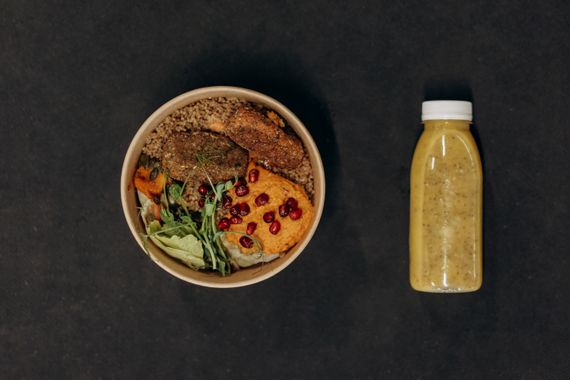
Photo: Mikhail Nilov / Pexels
What quinoa is good for — and what it actually delivers
Quinoa works as a base carb in place of refined grains, but with a much higher nutrient density. It is not a supplement. It is real food.
The most well-documented benefits:
- Complete protein: 100g of cooked quinoa delivers about 8g of protein with all essential amino acids present. For vegetarians and vegans, that changes the math on a plate.
- Fiber: around 2.8g per 100g cooked. Fiber feeds gut bacteria and boosts satiety — you eat and you are not hungry again 40 minutes later.
- Naturally gluten-free: a solid option for anyone with celiac disease, as long as the label confirms no cross-contamination during processing.
- Minerals: iron, magnesium, zinc, and phosphorus at meaningful levels. Magnesium in particular shows up in higher amounts than in many other grains.
- Low glycemic index: around 53, compared to roughly 72 for white rice. Blood sugar rises more slowly — relevant for anyone managing blood sugar or trying to keep energy steady through the day.
The less-discussed side of quinoa's benefits and drawbacks is the saponins. These are natural bitter compounds on the seed's coating that protect the plant from pests. If they are not rinsed off before cooking, they can irritate digestion for some people and leave a taste that wrecks any recipe. Quinoa that turns out bitter is not the quinoa's fault.
The fix is simple: rinse before cooking. Most complaints about quinoa trace back to that one skipped step.
You can find a fuller nutritional breakdown documented by the Harvard T.H. Chan School of Public Health's Nutrition Source, including how quinoa compares to other whole grains.
Quinoa made it into your rotation? Add it to your Mise pantry and it shows up automatically in your shopping list suggestions when stock runs low.
Start free →Does quinoa have carbs? Clearing up the confusion
It does. 100g of cooked quinoa has about 21g of carbs. If you are on a strict low-carb diet, you need to count it like any other grain.
But the comparison to white rice matters. Cooked white rice has about 28g of carbs per 100g and a glycemic index around 72. Quinoa has less total carb, a lower glycemic index, and nearly three times the protein.
Quinoa versus rice in practice: swap rice for quinoa in your meals and you are trading a fast-absorbing carb for a slower one, with more protein and fiber along the way. The flavor is different. The price is higher. Satiety, generally, lasts longer.
It is not a zero-carb food. But it is not the villain of any balanced diet either — unless total carb count is your one variable to control.
How to cook quinoa right
The process is straightforward. The one step most people skip is the first one:
- Rinse under running water for 1 to 2 minutes, rubbing it between your hands. The water will get slightly foamy — that is the saponins coming off. Do not skip this step.
- Ratio: 1 part quinoa to 2 parts water. Same logic as rice, but the cook time is shorter.
- Simmer over medium heat for 12 to 15 minutes once the water boils. Keep the lid mostly on.
- The doneness signal: the grains open up and a white "halo" appears around each one — like the grain sprouted a thin ring. That is your cue to turn off the heat.
- Rest for 5 minutes with the lid on. The trapped steam finishes the cooking without waterlogging it.
Cooked quinoa can swap in for rice straight on the plate, go cold into salads, become a bowl base, or mix with sautéed vegetables. In flakes, it works in oatmeal and yogurt. As flour, it goes into breads and cakes — usually blended with another flour for structure.
If quinoa has become a regular in your kitchen, it is worth adding to your Mise pantry — that way it shows up in suggestions when stock runs low and goes straight to the shopping list without you having to remember it.
Types of quinoa: white, red, and black
The difference between types comes down mostly to texture and flavor. Nutritional value is close across all of them — the choice is more about what you are cooking than which one is "healthier."
- White (or yellow) quinoa: the most common. Soft texture, neutral flavor. The most versatile — it pairs with any seasoning and does not fight with other ingredients on the plate.
- Red quinoa: a firmer grain that holds its texture after cooking. Slightly sweet flavor. Good for cold salads where you want the grain to stay distinct rather than turn mushy.
- Black quinoa: the least common on shelves. More intense, earthy flavor. Cooks relatively fast and looks striking on a plate — which explains the higher price tag.
- Quinoa flakes: processed grain, very fast to cook. Works well in oatmeal, cake recipes, and as a soup thickener.
- Quinoa flour: used in breads, cakes, and pasta. Usually blended with wheat flour or another gluten-free alternative for structure.
For a first try, white quinoa is the easiest pick. With a planned weekly menu, it is simpler to decide which type to use for which meal — and avoid buying three types that end up forgotten in the pantry.
The FAO declared 2013 the International Year of Quinoa, which helped push cultivation beyond the Andes. Today quinoa grows in more than 70 countries, and its popularity keeps climbing as a plant-based protein staple in kitchens far from where it started.
Frequently asked questions about quinoa
Is quinoa gluten-free?
Yes. Quinoa is naturally gluten-free. It is a solid option for people with celiac disease or gluten intolerance, as long as you buy a brand that guards against cross-contamination during processing.
Does quinoa have carbs?
Yes. Cooked quinoa has about 21g of carbs per 100g. Its glycemic index is low (around 53) and the fiber slows down absorption. It is not low-carb, but it has less impact on blood sugar than white rice.
Do you need to rinse quinoa before cooking?
Yes. Quinoa is coated in saponins — a natural, bitter layer that protects the seed. Rinsing it under running water for 1 to 2 minutes removes that bitterness. Some brands sell pre-rinsed quinoa, but rinsing it again does no harm.
What's the difference between white, red, and black quinoa?
Mostly texture and flavor. White quinoa is softer and more neutral — the most versatile in the kitchen. Red quinoa holds a firmer bite and a slightly sweet flavor. Black quinoa keeps more of its structure after cooking and has a more intense, earthy taste.
How long does quinoa take to cook?
Between 12 and 15 minutes over medium heat once the water is boiling. The ratio is 1 part quinoa to 2 parts water. It is ready when the grains open up and a white halo appears around each one.
Can quinoa replace rice?
In practice, yes, with some differences. Quinoa has more protein (8g/100g versus 2.7g for cooked white rice), more fiber, and a lower glycemic index. The flavor is different and it costs more. For anyone looking to vary their daily carb source, it is a solid swap.
Quinoa in the pantry,
shopping list on autopilot.
Add your ingredients to Mise once. When stock runs low, the list builds itself.