
What a no-sugar diet actually means
A no-sugar diet isn't a zero-sugar diet. That would be impossible — fruit has fructose, milk has lactose, beans have carbohydrates. What actually gets cut is added sugar: the sugar stirred into coffee, baked into cookies, and — more important — the sugar that ships pre-mixed into packaged food.
The problem with added sugar is that it doesn't fill you up. A can of soda has around 35–39g of sugar. You drink it, insulin spikes, blood sugar drops, and you're hungry again within the hour. And soda is rarely the only source in a day — it usually shows up alongside a fruit-flavored yogurt and a slice of sandwich bread at breakfast, without anyone noticing the pattern.
The underlying idea is simple: eat foods that don't need a label for you to know what's in them. Beans are beans. Chicken is chicken. An apple is an apple. When a product has ten ingredients and three of them are variations on syrup, you've already lost the thread. If you want to go further, our low-carb guide covers cutting carbs more broadly — no-sugar is the step before that.

Photo: Ella Olsson / Pexels
What you can eat on a no-sugar diet
The allowed list is much longer than the cut list. Basically all real food fits:
- Vegetables — all of them. Broccoli, kale, spinach, carrots, zucchini, cucumber, tomato, onion. No restrictions.
- Fruit — banana, apple, papaya, strawberries, melon, orange. Whole, not juiced. The fiber is part of the deal.
- Protein — chicken, beef, fish, eggs, tuna, sardines, shrimp. Cooked without sweetened sauces.
- Legumes — beans, lentils, chickpeas, peas. Cheap, filling, and easy to keep on hand.
- Whole grains — brown rice, oats, quinoa. Carbs with fiber behave differently than refined carbs.
- Plain dairy — cheese, plain unsweetened yogurt, milk. The word to watch is "plain" — flavored yogurt almost always has added sugar.
- Quality fats — olive oil, avocado, plain nuts without a chocolate or honey coating.
That covers breakfast, lunch, dinner, and snacks without going hungry. The challenge isn't a lack of options — it's habit and planning. A grocery list built around real ingredients does most of the structuring before you ever walk into the store.
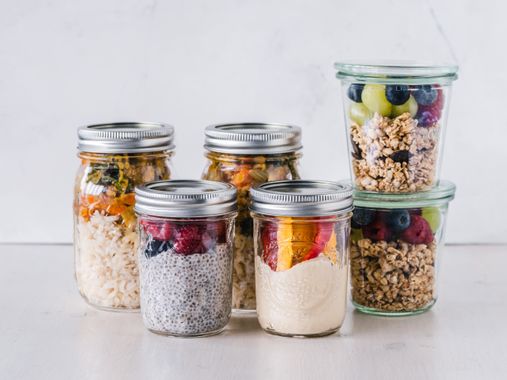
Photo: Ella Olsson / Pexels
What to avoid — and where sugar hides
The obvious ones are easy: soda, candy, milk chocolate, stuffed cookies, packaged cake, ice cream. If you already knew it was sweet, it's sweet.
The real problem is the food that looks neutral. This is the sugar that slips through the cart every week without anyone catching it:
- Flavored yogurt — strawberry, vanilla, "mixed berry." All of it has added sugar. Plain, unsweetened is the one that actually fits.
- Bottled fruit juice — even the ones labeled "100% juice" go through processing that concentrates the sugar and strips out the fiber. Not the same thing as eating the fruit.
- Sandwich bread — sugar is one of the first ingredients in most mainstream brands. Check the label before it goes in the cart.
- Jarred pasta sauce — most brands add sugar to balance the tomato's acidity. It doesn't taste sweet, but it's in there.
- Store-bought granola — reads as healthy. Often has more sugar per serving than the cereal you're already avoiding.
- Breakfast cereal — nearly all of it, including the "whole grain" and "honey oat" versions.
- Ketchup, BBQ sauce, and packaged salad dressing — sugar shows up in these as both a preservative and a flavor booster.
The label rule: if sugar, glucose syrup, corn syrup, high-fructose corn syrup, maltodextrin, dextrose, or sucrose shows up in the first three ingredients, the product has a meaningful amount of added sugar. Put it back and move on.
Benefits of cutting added sugar
The effects people report most after 2–4 weeks of cutting added sugar:
- Steadier hunger — no more blood sugar spikes that leave you wanting to eat again an hour later.
- More consistent energy — the afternoon stops being the time your body demands something sweet at 3pm.
- Less bloating — excess sugar contributes to water retention and low-grade inflammation.
- Better sleep — a nighttime sugar spike, especially dessert right after dinner, can interfere with sleep quality.
- Taste buds recalibrate — fruit starts tasting sweeter. That takes 2 to 3 weeks. It's not a myth.
On weight loss specifically: cutting added sugar removes empty calories without forcing you to weigh food or track macros. But it's not automatic. Swap a cookie for an extra handful of honey-roasted nuts and the calorie deficit disappears.
How to start without quitting in a week
Cutting sugar cold turkey is a good way to last four days and go right back to where you started. Gradual works better and actually sticks:
- Week 1 — drinks first. Cut soda, bottled juice, and any sweetened drink. This one change alone does most of the work, and you'll notice the difference fast.
- Week 2 — read labels before you buy. Check the first three ingredients before anything goes in the cart. Swap flavored yogurt for plain. Swap sandwich bread for a sugar-free whole grain option.
- Week 3 — rebuild breakfast without packaged food. Oats with banana and cinnamon, scrambled eggs with cheese, or fruit with plain yogurt. Three weeks in, your taste buds are already responding differently.
- Week 4 on — stock a pantry that backs you up. Keep fruit, vegetables, eggs, and whole grains on hand, and the Friday-night improvising doesn't end in cookies because "there was nothing else."
The most common failure point isn't willpower — it's not having options at home. An empty pantry pushes you toward packaged food because it's the easiest thing to grab. A well-stocked pantry closes that gap before it opens.
A shopping list works the same way: it locks in the week's food around the no-sugar plan before you leave the house, so nothing gets improvised in the aisle. Shopping without a list is exactly how the wrong products end up in the cart.
Frequently asked questions about a no-sugar diet
What can you eat on a no-sugar diet?
Vegetables, whole fresh fruit (in moderation), meat, eggs, beans, lentils, whole grains, plain dairy with no added sugar, and quality fats like olive oil and avocado.
Does cutting sugar help you lose weight?
It can help. Cutting added sugar removes empty calories, keeps blood sugar steadier, and reduces hunger spikes. Weight loss still depends on your overall diet — it's not automatic, but it makes the process easier.
Can you eat fruit on a no-sugar diet?
Yes. Fruit has natural fructose, fiber, and micronutrients — a different package than refined sugar. Whole fruit, not juice, ideally eaten alongside a meal rather than on its own.
How do you spot hidden sugar on a label?
Check the ingredient list for sugar, glucose syrup, corn syrup, high-fructose corn syrup, maltodextrin, dextrose, sucrose, fructose, honey, or cane juice. If one shows up in the first three ingredients, the product has a meaningful amount of added sugar.
How long until your taste buds adjust?
About 2 to 3 weeks of consistency. Coffee without sugar that tasted bitter in week one starts tasting normal. Fruit tastes sweeter. It's not willpower — it's biology catching up.
A no-sugar pantry starts with the list.
Let Mise build yours.
Know what's at home before you shop. Build the week's list around the right foods. Less improvising in the aisle, less packaged food in the cart.