
Photo: Kaboompics / Pexels
Why a basic grocery list changes everything at the store
A basic grocery list isn't a meal plan. It's the floor — the items your household needs regardless of what gets cooked that particular week.
Without one, you shop off memory. Memory lies. It swears there's still olive oil (there's a film at the bottom of the bottle), that the beans aren't out (they ran out Tuesday), and that you don't need toilet paper (you always need toilet paper). Shoppers without a list are far more likely to buy on impulse, and impulse purchases tend to run noticeably more expensive per trip than planned ones.
A list scribbled in a phone note under a wall of unrelated reminders isn't really a list. A list organized by category — reviewed against what's actually in the kitchen before you leave — is different. You cover the essentials without a second trip two days later for what you forgot.
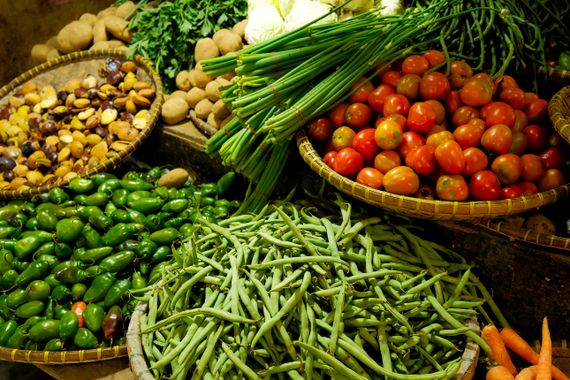
Photo: Muhamad Guruh Budi Hartono / Pexels
The 7 categories of a complete grocery list
Most households run fine on the same 7 categories. What changes from house to house is quantity — not the categories themselves.
1. Produce
Fruits and vegetables vary by taste and season. But a handful of items show up in almost every recipe — and they're the first to run out:
- Lettuce
- Tomato
- Onion
- Garlic
- Potato
- Carrot
- Lemon or lime
- Banana, apple, or orange
- Papaya or whatever fruit is in season
2. Meat and protein
- Chicken breast
- Ground beef
- Fish fillet
- Eggs (a dozen or two)
- Canned tuna
3. Dairy
- Whole or low-fat milk
- Plain yogurt
- Shredded or sliced cheese
- Butter or margarine
- Cream cheese
4. Pantry staples
The dry-goods floor that shouldn't run out:
- Rice
- Dried beans or lentils
- Pasta
- All-purpose flour
- Sugar
- Salt
- Coffee
- Olive oil or cooking oil
- Canned tomatoes
- Tomato sauce
5. Spices and condiments
- Black pepper
- Cumin
- Oregano
- Broth (bouillon or stock)
- Vinegar
- Mustard
- Mayonnaise
6. Cleaning supplies
- Dish soap
- Laundry detergent
- Disinfectant
- All-purpose cleaner
- Sponges
- Trash bags
7. Personal care
- Shampoo and conditioner
- Bar soap or body wash
- Toothpaste
- Deodorant
- Toilet paper

Photo: RDNE Stock project / Pexels
Grocery shopping turned into a spreadsheet. It shouldn't have.
Start free →Basic grocery list to copy and paste
Click "Copy list" and paste it straight into a text or notes app. Cross off what you already have at home before you leave — whatever's left is what you buy.
Produce
- Lettuce
- Tomato
- Onion
- Garlic
- Potato
- Carrot
- Lemon/lime
- Banana
- Apple
- Orange
- Papaya
Meat
- Chicken breast
- Ground beef
- Fish fillet
- Eggs
- Canned tuna
Dairy
- Milk
- Plain yogurt
- Shredded cheese
- Butter
- Cream cheese
Pantry
- Rice
- Beans/lentils
- Pasta
- Flour
- Sugar
- Salt
- Coffee
- Olive/cooking oil
- Canned tomatoes
- Tomato sauce
Spices
- Black pepper
- Cumin
- Oregano
- Broth
- Vinegar
- Mustard
- Mayonnaise
Cleaning
- Dish soap
- Laundry detergent
- Disinfectant
- All-purpose cleaner
- Sponges
- Trash bags
Personal care
- Shampoo
- Conditioner
- Soap
- Toothpaste
- Deodorant
- Toilet paper

Photo: Amina Filkins / Pexels
How to adjust the grocery list to your household
The basic list is the starting point. What changes from house to house is mostly quantity — plus a handful of adjustments depending on how you actually cook.
- Half the quantities of the basic categories
- Smaller package sizes to cut down on waste
- More canned tuna and eggs, less fresh meat (it spoils faster)
- Loose produce instead of pre-bagged multipacks
- Estimate: $295-500 a month, food only
- About 2 lbs of rice and 1 lb of beans or lentils cover the week
- Protein for 8-10 meals a week
- Enough produce for daily cooking
- Cleaning and personal care in larger sizes (it pays off)
- Estimate: $612-785 a month, food only
- More milk and yogurt in the dairy category
- Widen the produce section — kids eat more fruit than adults assume
- Simple snacks: banana, carrot sticks, plain crackers
- Protein in cuts kids actually eat (chicken, eggs)
- Estimate: $1,013-1,380 a month, food only (family of 4)
- Widen produce: broccoli, spinach, zucchini, beets
- Swap some of the pasta for quinoa, lentils, or chickpeas
- Add nuts and seeds (almonds, peanuts) to the pantry
- Plain, unsweetened yogurt in the dairy category
- Extra-virgin olive oil instead of refined vegetable oil
How to organize your list by store aisle
Organizing by aisle saves time inside the store. Instead of crisscrossing the same floor twice, you follow one logical path and get out faster. The order that works in most standard grocery stores:
- Produce — usually right by the entrance. Start here.
- Bakery and deli — cheese, cold cuts, sliced bread.
- Dry pantry goods — center aisles (rice, beans, pasta, oil).
- Dairy and beverages — milk, yogurt, juice.
- Cleaning and personal care — usually the last aisles before checkout.
- Meat and seafood — fresh cuts.
- Frozen foods — always last. Nothing thaws in the cart on the way out.
The Mise shopping list app sorts your items by aisle automatically — no reordering by hand at the store.
Why your list, pantry, and recipes need to be connected
The problem with forgetting garlic isn't the list. It's the disconnect between what you actually have, what you're cooking, and what you need to buy.
Most households have a pantry nobody really tracks. There's a film of olive oil at the bottom of the bottle, an open bag of pasta from a brand that was on sale once, and two half-used containers of the same spice. What's actually missing, you only find out while cooking — not before you go to the store. Food waste at the household level in the U.S. runs into hundreds of dollars a year per household (USDA, food waste research). A meaningful share of it starts right here: buying without knowing what you have, buying without knowing what you'll cook.
Whoever plans the week's meals before writing the grocery list buys exactly what they'll use. Whoever writes the list without knowing what they're cooking buys "stuff that seems useful" — and finds out on Friday that Monday's chicken doesn't match anything left in the pantry. The Mise weekly meal plan connects recipes and the grocery list to fix exactly that.
The basic list covers the floor. Connecting list, pantry, and recipes — knowing what ran out before you need it — handles the rest. See how Mise connects the two in practice.
Photo: Towfiqu barbhuiya / Pexels
5 tips to save money at the grocery store
Want the full playbook? We have a complete guide on how to save money on groceries with 12 habits that actually move the needle — before, during, and after the trip.
- 1Check the pantry before you leave5 minutes at home beats a 30-minute trip back for what you forgot. Look for what's running low — not just what's already gone. If you want to get your pantry fully organized, a fixed system for grouping and labeling shelves makes this check take seconds instead of minutes.
- 2Don't shop hungryCliché, but it holds up. Impulse buying happens more on an empty stomach than a full wallet. Hungry, everything looks necessary — especially the chip aisle.
- 3Compare unit price, not sticker priceThe bigger package isn't always cheaper per ounce. Divide price by weight before deciding. Most store shelf tags already show unit price — use it instead of eyeballing the total.
- 4Store brands on the basicsRice, beans, sugar, salt, flour — store brands typically cost 20-30% less than national brands with comparable quality. Brand loyalty matters for seasoning, not for rice.
- 5Plan meals before you goKnowing what you're cooking that week kills the "ingredients that seem useful" purchase. You buy what you'll actually use — and whatever isn't on the menu doesn't make it into the cart.
What a basic grocery list costs per month
Cost varies with household size and where you shop. The figures below come from the USDA Food Plans (April 2026, Thrifty and Moderate levels — food only), plus a modest allowance for cleaning and personal care based on average household spending in the BLS Consumer Expenditure Survey (2024).
| Category | 1 person | Couple | Family (4 people) |
|---|---|---|---|
| Food (USDA Thrifty–Moderate) | $295-500 | $612-785 | $1,013-1,380 |
| Cleaning supplies | $30-45 | $50-70 | $70-100 |
| Personal care | $35-55 | $60-90 | $90-130 |
| Total monthly estimate | $360-600 | $722-945 | $1,173-1,610 |
These are national averages — your actual total shifts with where you live, which store you shop at, and how many meals you cook versus buy pre-made. To cut costs without dropping any of the 7 categories: default to store brands on the basics, watch for sales on non-perishable pantry items, and avoid the quick "just one thing" trip. That one is always the most expensive per item.
Frequently asked questions about grocery lists
What should be on a basic grocery list?
A basic list needs to cover 7 categories: produce (garlic, onion, tomato, fruit), meat and protein (chicken, eggs, tuna), dairy (milk, cheese, yogurt), pantry staples (rice, beans, pasta, olive oil, coffee), spices and condiments (pepper, oregano, broth), cleaning supplies (dish soap, detergent, disinfectant), and personal care (shampoo, toothpaste, toilet paper).
How much does a basic grocery list cost per month?
For a couple, groceries typically run $612-785 a month under the USDA Thrifty and Moderate Food Plans (April 2026), plus roughly $100-140 for cleaning and personal care. For one person, expect $295-500 for food. For a family of four, USDA food plans range from about $1,013 to $1,380 a month, before household basics.
How do you organize a grocery list by aisle?
The most efficient order: produce (near the entrance) → bakery and deli → dry pantry goods → dairy and beverages → cleaning and personal care → meat and seafood → frozen foods (always last, so nothing thaws in the cart).
Why make a grocery list before shopping?
Shoppers with a list consistently spend less than those who go without one. It cuts impulse purchases, saves time in the store, and prevents forgetting staples you only notice are gone mid-week.
How do you make a grocery list for two people?
For a couple, scale down quantities: about 2 lbs of rice and 1 lb of beans or lentils cover the week, protein for 8-10 meals, and enough produce for daily cooking. Weekly spend for two lands around $140-180 using the 7 basic categories as the baseline.
How do you stop forgetting items at the grocery store?
The most effective method is a fixed list organized by category checked against your pantry before you leave. That way you know what ran out before you need it, not after. Connecting your list, pantry, and recipes in one place is what actually closes the gap — and gets the garlic home.
No more grocery lists in a random notes app.
Use Mise.
Connects your pantry, recipes, and grocery list in one place. You'll never again find out the beans are gone right when it's time to cook dinner.