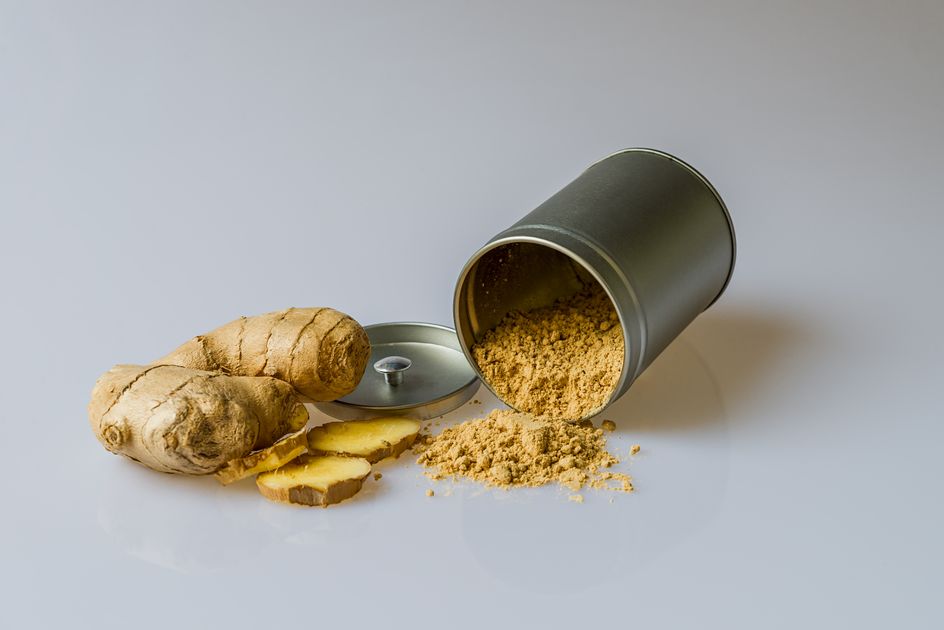

Photo: Nothing Ahead / Pexels
What is ginger
Ginger isn't technically a root — it's a rhizome, an underground stem the plant uses to store energy. In the produce aisle, that distinction doesn't matter much: what you're buying is a knobby, tan-skinned piece with fibrous, fragrant flesh underneath.
The flavor comes mostly from gingerol, the same compound behind that sharp bite. When ginger is dried, gingerol converts into shogaol, which is warmer and more intense. That's the actual reason ground ginger tastes different from fresh — it isn't just the same thing in a different form, it's chemically distinct.
Fresh root has citrusy, bright notes on top of the heat. The powder is earthier and more concentrated. Neither one is objectively better — it depends on what you're cooking.
It's also the ingredient most people buy for one recipe and then watch shrivel up in the crisper. That's fixable with one simple habit, covered further down.
Where ginger comes from
Ginger originated in South and Southeast Asia, most likely India or China. It's been cultivated and cooked with for more than 5,000 years, which makes it one of the longest-documented ingredients in human history. It reached the Mediterranean through spice trade routes, was carried into Europe by the Romans, and spread worldwide from there.
Today, India, China, Nigeria, and Nepal are the biggest producers. In the US, most fresh ginger sold in grocery stores is imported, though there's a small domestic crop in Hawaii.
Unlike pricier imported ingredients, ginger is cheap and easy to find almost everywhere. Fresh is in the produce section of any grocery store; ground is on the spice shelf. It's not a specialty item — it's a pantry basic.
Fresh vs ground ginger: what actually changes
These are complementary ingredients, not interchangeable ones. Knowing when to reach for which one saves you from a recipe that falls flat because you used the wrong format.
Fresh ginger
Brighter, sharper, and more aromatic, with citrusy notes that disappear once it's dried. It's the better choice anywhere ginger needs to be the main character: tea, marinades, broths, stir-fries, juices, and wok dishes. Some of that brightness survives cooking, since the volatile compounds only partly break down over short cook times.
Buy pieces that feel firm with smooth skin. The more wrinkled and shriveled the skin, the older the root — still usable, just less potent and more fibrous.
Ground ginger
More concentrated, warmer, and earthier. It's the right call for cakes, cookies, gingerbread, and any batter where you need the flavor evenly distributed — and where a stray fiber of fresh ginger would be unwelcome. It's also just faster for everyday seasoning, since there's no peeling or grating involved.
When you have to substitute one for the other: about ¼ teaspoon of ground ginger stands in for 1 tablespoon of fresh grated. It won't taste identical, but it works in most recipes.
Pickled and crystallized ginger
Pickled ginger (the pink gari served with sushi) is cured in vinegar and sugar — sweet, tangy, and mild. It doesn't substitute for fresh or ground in cooking. Crystallized ginger (candied in sugar) belongs in the baking aisle, not the spice rack — it works in desserts or as a snack, not as a seasoning.
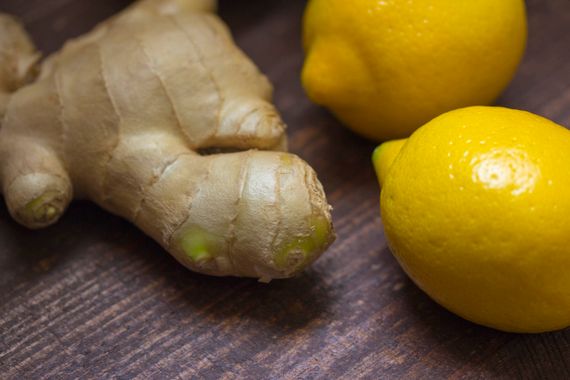
Photo: Angele J. / Pexels
How to cook with ginger
The rule of thumb: ginger adds heat, aroma, and depth. Any dish that tastes like it's missing something usually improves with a small amount of grated ginger stirred in at the end.
Tea and drinks
The most direct use. A 2cm slice of fresh ginger steeped in 300ml of hot water is already a functional tea. Add lemon and honey and it's the classic remedy for a cold — and it actually works. For a golden milk latte, combine ground ginger with turmeric and black pepper in warm plant milk.
Marinades and stir-fries
Grated ginger in a marinade for chicken, fish, or beef works as a natural tenderizer on top of a seasoning. In a stir-fry, adding fresh grated ginger early alongside the garlic changes the entire aromatic base of the dish — it's the difference between a plain sautéed chicken and one with actual character.
Broths and soups
Chicken and vegetable broths gain depth from a slice of ginger simmered in. Pull it out before serving if you don't want the fibrous texture. In Asian soups — ramen, pho, laksa — ginger is part of the aromatic base along with garlic and onion.
Baking and sweets
Gingerbread without ground ginger isn't gingerbread. Ginger snaps are an entire category of cookie built around it. In carrot, banana, or apple cake, a teaspoon of ground ginger next to the cinnamon completely changes the aroma profile — it's the ingredient that elevates a dessert without anyone quite identifying what changed.
As a finishing touch
Fresh ginger grated in after the heat is off — over curry, a warm salad, or steamed vegetables — keeps the citrusy aroma that cooking would otherwise dull. A small amount added at the end goes further than a large amount added at the start.
How much to use
Ginger is easy to overdo. For four servings, start with 1 teaspoon of grated fresh or ½ teaspoon of ground, then adjust. A common mistake is doubling the amount thinking it'll taste better — the result is usually a dish that burns more than it delights.
Cooking shouldn't be this much of a headache. Mise fixes that.
Start free →How to store ginger so it doesn't go to waste
Fresh ginger dries out before most people finish it. You buy it for one recipe, use half, and the other half sits in the crisper drawer until it's a shriveled, sad version of itself. That has a fix.
In the fridge
Wrapped in a paper towel and kept in a sealed bag or airtight container, fresh ginger lasts 2 to 3 weeks in the fridge. The paper towel absorbs the moisture that speeds up spoilage. Left unprotected, it lasts less than half that.
In the freezer — the trick that changes everything
Freeze the ginger whole, unpeeled. When you need some, grate it directly from frozen with a fine grater. The peel comes off with the first pass, so there's nothing to waste. The result is better than grating fresh ginger that sat in the fridge for days — more aromatic, no tough fiber, no extra step. It keeps for up to 6 months in the freezer.
This is the kitchen discovery most people make way too late. Freezing ginger whole and grating it straight from frozen used to be a chef trick — now it's just what people who cook every week do.
Ground ginger in the pantry
Sealed container, away from the stove and direct light — same rules as any dried spice. The date printed on the label is usually 2 to 3 years out, but the aroma starts fading after 12 to 18 months. If it smells faint, it's time to replace it. A jar of spice that has lost its potency does nothing for a recipe.
Is ginger worth keeping in your pantry
Yes. Not much of a debate here.
Fresh ginger is cheap, easy to find, and keeps for months in the freezer. Ground ginger has a long shelf life and takes up almost no space. Together they cover most of what you'd ever need it for, without adding real cost. It's an ingredient that shows up in tea, marinades, broths, and cakes — and makes a difference in all of them.
The only case where it doesn't make sense is if you genuinely never cook anything that calls for it. But if that's you, you probably don't keep garlic around either, so this article was never really for you.
If you're building out a better-stocked pantry, ginger belongs next to garlic, onion, olive oil, vinegar, and the basic dried spices. It's part of what makes a random Monday dinner come together without much thinking. A solid shopping list that actually works starts with getting these staples locked in.
The ginger you picked up at the store shows up on next week's list before it has a chance to shrivel — as long as you know how to store it.
Frequently asked questions about ginger
Do fresh and ground ginger taste the same?
No. Fresh is brighter and sharper, with citrusy notes that fade once it's dried. Ground is earthier, warmer, and more concentrated. They're complementary, not interchangeable. Use fresh in tea and marinades where it needs to stand out. Use ground in cakes and cookies where it needs to blend in evenly.
How much ginger should I use in a recipe?
For four servings, start with 1 teaspoon of grated fresh or ½ teaspoon of ground, then adjust. For tea, a 2cm slice in 300ml of water is enough. When substituting: about ¼ teaspoon of ground stands in for 1 tablespoon of fresh grated. It's easy to overdo — start small.
What is the best way to store fresh ginger?
Wrapped in a paper towel inside a sealed bag, it lasts 2 to 3 weeks in the fridge. For longer storage, freeze it whole and grate it straight from frozen when you need it — no thawing required. It keeps for up to 6 months and grates more cleanly than ginger that sat in the fridge too long.
Can you freeze fresh ginger?
Yes — it's the best way to stop wasting it. Freeze it whole, unpeeled. Grate directly from frozen with a fine grater; the peel comes off on the first pass. No need to thaw first. It keeps for up to 6 months with the flavor intact.
Is ginger hard on your stomach?
In normal cooking amounts, no. It's actually known to ease nausea and mild digestive discomfort. At very high doses it can irritate the stomach in sensitive people. In everyday seasoning amounts, it's safe for most people.
Do ginger and turmeric work well together?
Yes — one of the most common pairings in Asian cooking. Ginger is sharp and citrusy, turmeric is earthy and slightly bitter, and they balance each other in tea, broths, and marinades. In a golden milk latte — ginger, turmeric, black pepper, and warm plant milk — the pairing is the whole point.
Ginger's in the pantry.
The list handles the rest.
Mise connects your pantry, recipes, and shopping list in one place. The ginger you picked up this week shows up on next week's list — before it has a chance to shrivel.