
Photo: Anna Tarazevich / Pexels
What makes a grocery list "healthy"
A healthy grocery list is not a diet in disguise. It has nothing to do with cutting out everything you enjoy, and nothing to do with filling the cart with quinoa and superfoods you'll never actually cook.
It's about buying food that has something to offer — fiber, protein, vitamins, real energy — before buying the food that has little to offer beyond calories and convenience.
A widely cited 2023 FMI (Food Industry Association) survey found that most US shoppers who use a list end up spending less and wasting less food than those who shop without one — unplanned trips consistently run higher on both counts. A big chunk of that extra spend goes toward items that were never part of the plan to begin with. A healthy list solves two problems at once: what you buy, and what you don't.
The starting point isn't knowing which foods rank as the healthiest in the world. It's knowing what you already have at home and what you're actually going to cook this week. Without that anchor, the list stays abstract — full of good intentions, empty of real use.
The food groups your grocery list needs
Organizing a shopping list by food group guarantees nutritional variety without checking every item from scratch each week. With the right groups locked in, you can rotate what's inside each one based on what's in season — or what's on sale.
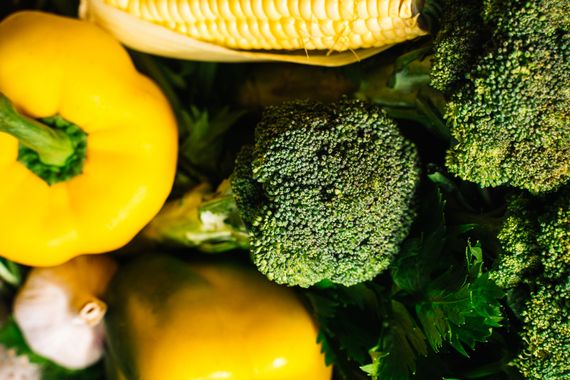
Vegetables
- Leafy greens: spinach, kale, arugula, lettuce — the base of lunches and dinners
- Vegetables: carrots, zucchini, green beans, broccoli, beets
- Aromatics: garlic, onion, fresh herbs
Buy what you'll use in 5 days. Leafy greens start wilting faster than any well-intentioned meal plan.
Fruit
- Bananas, apples, oranges, berries — the weekly staples
- Whatever's in season: cheaper, more nutritious, and less likely to go bad before you eat it
Protein
- Eggs — the most versatile and affordable protein at the store
- Chicken, beef, or fish — depending on budget and preference
- Tofu or chickpeas — for cutting back on meat without cutting protein
Grains
- Brown rice or another whole grain
- Rolled oats — breakfast and baking
- Whole wheat or regular pasta
Legumes
- Black beans or pinto beans
- Lentils — cook fast, no soaking needed
- Chickpeas — salads, soups, hummus
Healthy fats
- Extra virgin olive oil
- A small daily handful of walnuts, almonds, or another nut
Dairy
- Plain yogurt — no added sugar, the label makes the difference obvious
- Cottage cheese or a mild cheese — protein and fat in balance
Photo: Mikhail Nilov / Pexels
How to organize your list by aisle
A list organized by food group is good for planning. A list organized by aisle is good for execution. Ideally you do both — build it by group at home, then reorder it in your head to match the store's layout.
An order that works in most US grocery stores:
- 1. Produce — fruits and vegetables first, while you're still thinking clearly
- 2. Meat and seafood — the butcher counter or the refrigerated case
- 3. Dairy and eggs — yogurt, cheese, milk, eggs
- 4. Center aisles — grains, legumes, oils, canned goods
- 5. Snacks and household items — last, farthest from the plan you started with
Walking past the cookie aisle with a cart that's already full is easier to ignore, psychologically. Walking past it first, hungry, is exactly where a healthy grocery list falls apart.
Know what's already in the pantry before you leave the house. That's what Mise does.
Start free →What a healthy grocery list costs per month
A healthy list doesn't have to be expensive. The most nutrient-dense foods tend to be the most affordable ones: beans, eggs, rice, bananas, kale, carrots.
For two adults cooking most meals at home, the USDA Thrifty Food Plan puts the monthly grocery bill for a healthy diet at roughly:
- Produce (fruits + vegetables): $155–180/month
- Protein (chicken, eggs, beans): $195–225/month
- Grains and legumes: $65–80/month
- Dairy: $85–100/month
- Oils and seasonings: $55–65/month
Estimated total: $550–650/month. That's well below what a household typically spends on an unplanned monthly trip that includes packaged snacks and impulse buys — sometimes closer to $900–1,000. The gap goes to those 3 to 5 unplanned items most people pick up per trip, which add up faster than they seem to.
If the budget's tight, start with the cheapest groups first: legumes, eggs, and whatever produce is in season. Those three alone cover a big share of the week's nutritional needs.
5 tips to stick to the plan at the store
Knowing what to put on the list is the easy part. Sticking to the plan once you're actually in the aisle is where a healthy grocery list tends to turn into a list of good intentions.
1. Eat before you go
Shopping hungry is the one condition under which you decide you need three different kinds of cookies. Eat something first — an egg, a piece of fruit, anything. The difference in the cart is real.
2. Check the pantry before you write the list
What you already have determines what you actually need. Writing a list without checking the pantry is how you end up buying beans for the fourth week running while last month's brown rice sits untouched.
3. Tie the list to a weekly meal plan
Every planned meal generates its own set of ingredients. With a weekly meal plan set before you shop, you buy exactly what you'll use. Without one, the list fills up with nutritious-looking food that has nowhere to go — good on paper, wasted in practice.
For an example of how to structure one, see the guide on building a simple weekly meal plan.
4. Prioritize what's in season
It's cheaper, more nutritious, and less likely to go bad before you eat it. Peak-season peaches taste nothing like the ones sold in the dead of winter — in flavor and in price. Seasonality is working in your favor if you let it.
5. If it's not on the list, it doesn't go in the cart
This is the rule that sounds obvious and that almost nobody actually follows. If something was worth buying, it'll be on next week's list. If you buy it anyway, at least decide on purpose — don't let the shelf decide for you.
A healthy grocery list starts before the store — with what you already have at home. That's the step most people skip.
Frequently asked questions about healthy grocery lists
What makes a grocery list "healthy"?
A healthy grocery list groups food by nutritional role — produce, protein, whole grains, legumes, and healthy fats — before you walk into the store. The goal isn't to eliminate anything, just to make sure you buy what will actually feed the week in a balanced way, instead of deciding in the aisle.
How much does a healthy grocery list cost per month?
For two people, roughly $550 to $650 a month based on the USDA Thrifty Food Plan, focused on produce, eggs, chicken, beans, and basic dairy. That figure usually sits well below what a household spends on an unplanned monthly trip that includes packaged snacks and impulse items — the difference goes straight to those.
What should always be on a healthy grocery list?
The baseline: eggs, beans, a whole grain, at least three vegetables and three fruits, and one protein source for the week. Those items cover the core nutritional needs. Everything past that is preference and available budget.
How do I make a healthy grocery list that's also cheap?
Prioritize what's in season, lean on affordable protein like eggs and beans, and buy grains in bulk when possible. Skip the processed version of the same food — a box of granola almost always costs more per serving than plain oats. In most food groups, the most nutritious option tends to be the cheapest one too.
Is a healthy grocery list the same as a "clean eating" list?
Not quite. A high-protein or "clean eating" list tends to be narrower — built around a specific body-composition goal. A healthy grocery list is broader: it includes whole grains, legumes, fruit, and dairy alongside protein. If you're not on a restrictive diet, the broader list covers what you actually need.
How do I avoid impulse buys at the grocery store?
Eat before you go, shop the list in aisle order, and decide before you walk in: nothing not on the list goes in the cart. The 3 to 5 unplanned items most people pick up per trip add up to several hundred dollars a year that were never part of the plan.
How often do I need to grocery shop to eat healthy?
Two approaches work together: one larger monthly trip for shelf-stable staples (grains, dried legumes, canned goods) and one or two weekly trips for produce and fresh protein. Fruits and vegetables don't last a full month, so buying it all at once isn't practical. Planning meals before you shop cuts down on extra trips.
A pantry connected to your list.
Let Mise handle it.
Build the week's meal plan, and Mise generates the grocery list. Anything already in the pantry comes off the list automatically.