

Photo: Ron Lach / Pexels
What balsamic vinegar actually is
Balsamic vinegar is not wine vinegar with dark food coloring. A lot of what sits on grocery shelves imitates that idea, but real balsamic starts somewhere else entirely: grape must — the fresh-pressed juice of Trebbiano grapes, grown in Emilia-Romagna, in northern Italy.
The process is nearly a thousand years old. The must gets cooked down over low heat until it reduces by half, then it ferments slowly and ages in wooden barrels. Not one barrel — a series of barrels of decreasing size, each a different wood: oak, cherry, mulberry, chestnut, ash. Each transfer adds another layer of flavor. For the traditional product, the minimum is 12 years in those barrels. Some versions go 25.
What comes out is thick, dark, and sweet-and-sour. The acidity is milder than wine vinegar. The sweetness is not added sugar — it comes from the grape and from natural concentration during aging. First-timers tasting a good balsamic usually assume there is fruit syrup mixed in. There is not. It is just grapes that spent a long time in a barrel.
Real vs. fake: reading the label
There is a real gap between the bottle that costs $150 for 100ml at a specialty shop and the one sitting on the grocery aisle for $8. It is not packaging.
Aceto Balsamico Tradizionale di Modena PDO — the original. Minimum 12 years of aging, limited artisanal production, strict European certification (PDO stands for Protected Designation of Origin). A 100ml bottle runs $60 to $200 or more. You do not drizzle this over a salad — a few drops go on parmesan or carpaccio. Most people will never buy one. They do not need to.
Aceto Balsamico di Modena PGI — the one at the grocery store. A controlled blend of grape must with wine vinegar and caramel for color. It carries European certification (the PGI seal — Protected Geographical Indication), but production is industrial. For everyday salads and weeknight cooking, it works perfectly well. This is what most people will actually use — and that is the right call.
Balsamic glaze or reduction — balsamic that has already been reduced, thicker and sweeter, usually sold in a squeeze bottle. Great for drizzling on pizza, strawberries, and cheese. It does not replace liquid balsamic in a vinaigrette.
What exists in abundance without any of these certifications is basically caramel coloring with a splash of vinegar. Check the ingredient list before buying: grape must or wine vinegar should be first. If caramel coloring or corn syrup leads the list, it is an imitation.
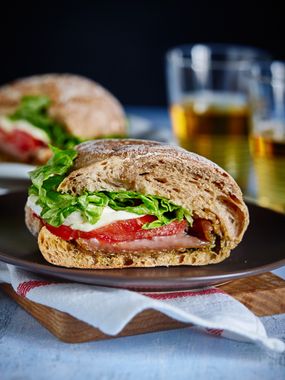
Photo: Electra Studio / Pexels
How to use it in the kitchen
The one rule that matters most: balsamic goes on last. High heat destroys the aromatic compounds that make it worth using in the first place. It does not go in the pan with the olive oil. It goes on the salad after it is plated, on the meat after it is cooked, on the strawberries after they are sliced.
Combinations that work every time in a home kitchen:
- Green salad — extra-virgin olive oil, salt, pepper, and balsamic. With bitter greens like arugula or radicchio, it works even better — the sweetness balances the bitterness. A good olive oil makes the difference here just as much as the vinegar does.
- Caprese — sliced tomato, fresh mozzarella, basil, flaky salt, olive oil, and balsamic. With a good tomato, this is one of the simplest and most satisfying things you can put on a plate.
- Meat — grilled chicken, pork, beef. A teaspoon over the finished cut, off the heat. The residual warmth from the meat brings out the balsamic without cooking it off.
- Strawberries — sounds strange, works remarkably well. Sliced strawberries, a pinch of sugar, a few drops of balsamic. Let it sit 15 minutes. The juice that releases, mixed with the balsamic, becomes its own syrup.
- Hard cheeses — parmesan, grana padano, pecorino. A slice of cheese with a drop of balsamic solves any last-minute appetizer problem.
Balsamic also works in meat marinades — for that, use the cheap kind. The flavor mostly cooks off during prolonged heat, so there is no reason to spend on the good bottle for marinating.
Knowing what is already in the pantry changes the entire shopping list. Mise handles it.
Start free →How much to use — and what to avoid
A teaspoon to a tablespoon per serving is plenty. Balsamic has a concentrated flavor — more is not better. Too much and it dominates everything else on the plate.
What to avoid:
- Swapping in lemon juice or apple cider vinegar in recipes that call for a light acidity. Balsamic has real sweetness built in — the substitution changes the whole profile of the dish.
- Pairing it with too many already-sweet ingredients — mango, grapes, honey, all at once. Sugar on top of sugar, even if it is sophisticated sugar.
- Heating it directly at high temperature. If it needs heat, add it off the burner or on the lowest flame for a few seconds, no more.
Homemade reduction — the glaze you buy pre-made is easy to do at home. Pour 1 cup (240ml) of PGI balsamic into a saucepan over medium-low heat, uncovered. Reduce for 15 to 20 minutes, stirring occasionally, until about 1/4 cup (60ml) is left. It thickens further as it cools. Store in a sealed jar in the fridge for up to 3 months.
The best substitutes for balsamic
No bottle in the house and the recipe calls for it anyway. A few combinations actually get close, not just technically qualify.
Red wine vinegar plus honey or maple syrup is the closest match — about 4 parts vinegar to 1 part sweetener for dressings, a slightly richer ratio if you are drizzling it as a finishing touch. Apple cider vinegar with a pinch of brown sugar, whisked together and left to sit a few minutes, covers most everyday uses. In a real pinch, simmering plain vinegar with a little sugar over low heat until it dissolves gets you a rough stand-in for a glaze.
None of these fully replicate the barrel-aged complexity of real balsamic. But for the job it is usually doing in a recipe — sweetness plus acidity — they get close enough that the dish still works.
Buying and storing it
At the grocery store, check three things on the label before it goes in the cart:
- First ingredient — should be grape must or wine vinegar. If the first ingredient is caramel, caramel coloring, or corn syrup, the product is an imitation.
- PGI seal — the European Union's blue-and-yellow symbol signals certified origin. It does not guarantee artisanal quality, but it guarantees it is real balsamic.
- Acidity — a standard PGI balsamic runs between 6% and 7% acidity. Lower usually means more diluted.
Brands with consistent quality on US grocery shelves: Colavita, Monari Federzoni, and store brands like 365 by Whole Foods or Trader Joe's. Expect $8 to $20 for a decent 250ml PGI bottle.
Storage is simple — sealed, away from direct light, at room temperature. No refrigeration needed. The high acidity acts as a natural preservative, the same way it does for most vinegars kept in a well-organized pantry.
Same as capers — another Mediterranean pantry item that feels intimidating on the first purchase and becomes essential right after —, balsamic is one of those ingredients that seem like too much for a weeknight until you stop being intimidated by it.
Frequently asked questions about balsamic vinegar
What is the difference between balsamic vinegar and regular vinegar?
Regular vinegar is made from fermented wine or alcohol — straight acidity, no sweetness. Balsamic starts as grape must, the concentrated juice of pressed grapes, then ages in wooden barrels. The result is thicker, sweet-and-sour, with layers of flavor. They are different products in process, taste, and how you use them in a dish.
Does balsamic vinegar contain alcohol?
Balsamic vinegar has very low residual alcohol — usually under 1.5%. Acetic fermentation converts nearly all of it during barrel aging. For cooking and everyday purposes, it is treated as an alcohol-free product.
How do you make a balsamic reduction at home?
Pour 1 cup (240ml) of PGI balsamic into a small saucepan. Simmer uncovered over medium-low heat for 15 to 20 minutes, stirring occasionally, until it reduces to about 1/4 cup (60ml). It thickens further as it cools. Store in a sealed jar in the fridge for up to 3 months. Use in small drops over cheese, strawberries, or finished dishes.
How long does balsamic vinegar last once opened?
Balsamic has high acidity, which acts as a natural preservative. Opened, sealed tightly, and kept at room temperature away from direct light, it lasts 3 to 5 years without issue. It does not need refrigeration. You will most likely finish the bottle long before that.
Is expensive balsamic vinegar worth it over the cheap kind?
For salads and everyday cooking, a PGI bottle in the $10 to $20 range works well. The expensive kind — Tradizionale PDO, aged 12 to 25 years — has a much more complex flavor and almost no sharp acidity. That one is for drops over aged cheese or simple dishes where the vinegar is the main event. For daily cooking, PGI is the right call.
What can I use instead of balsamic vinegar?
Red wine vinegar mixed with a little honey or maple syrup (about 4 parts vinegar to 1 part sweetener) is the closest stand-in for dressings and marinades. Apple cider vinegar with a pinch of brown sugar works in a pinch. Neither replicates the full flavor, but both cover the sweet-and-sour balance a recipe is chasing when there is no bottle in the pantry.
Your kitchen, on autopilot.
No list, no pantry, no plan.
Mise brings your shopping list, pantry, and recipes into one place. Walk into the store knowing exactly what you already have — and what you actually need.