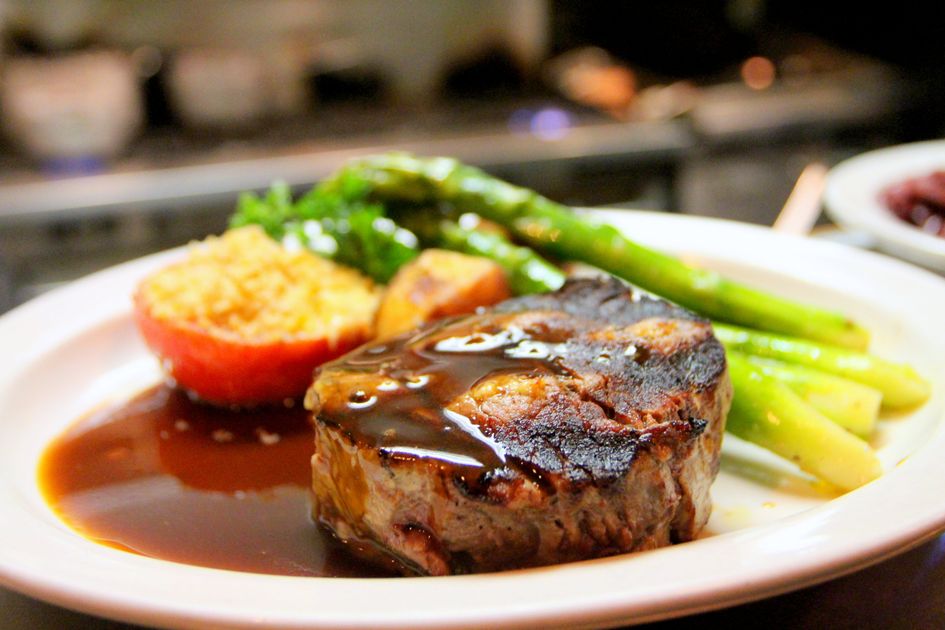

Photo: Malidate Van / Pexels
What the carnivore diet is
The carnivore diet is an eating pattern that removes every plant-based food. People who follow it eat exclusively animal products: beef, chicken, pork, fish, seafood, eggs, and some dairy. No fruit, no vegetables, no grains or legumes, no exceptions.
It is a more extreme version of a low-carb diet. Keto still leaves room for leafy greens and low-carb vegetables — carnivore removes the entire category. The premise: the body can run fine on protein and fat alone, and a lot of modern health problems trace back to compounds found in plants.
The diet's popularity took off over the last several years, driven largely by fitness and health influencers on YouTube and podcasts, with a small but vocal community of practitioners reporting results. It has no backing from mainstream nutrition guidelines, and most registered dietitians recommend against it as a long-term approach.
How it works in practice
The mechanics are simple. Eat when hungry, stop when full, animal foods only. No calorie counting, no portion control, no required eating windows. The idea is that protein and animal fat regulate appetite on their own, which naturally leads to eating less without any conscious effort.
During the adjustment period — usually the first 2 to 4 weeks — fatigue, headaches, and changes in digestion are common. This happens because the body is switching from carbs to fat as its main fuel source, the same process that happens on a ketogenic diet. Some call this stretch "carnivore flu," borrowing the term from keto.
Water intake is unrestricted — drink as much as you want. Unsweetened sparkling water is fine by most practitioners' standards. Coffee and tea are technically plant-derived, and where people draw the line on those varies: many keep coffee, especially early on, others cut it entirely.
What you can eat on the carnivore diet
The list of allowed foods is intentionally short. That is part of the appeal: no exception lists to memorize, no labels to check, no glycemic index to calculate. The only question that matters is "does this come from an animal?"
Meat and poultry
- Beef: ribeye, sirloin, ground beef, chuck roast, brisket, short rib
- Pork: pork shoulder, loin, ribs, bacon (without added sugar)
- Poultry: chicken, turkey, duck — whole or by the cut
- Lamb and goat: fattier cuts are preferred
Fish and seafood
- Salmon, sardines, mackerel, herring — fattier fish have a richer nutrient profile
- Tuna, tilapia, cod, swordfish
- Shrimp, squid, octopus, mussels, oysters
Organ meats
Liver, heart, kidney, tongue, bone marrow. Many long-term practitioners include organ meat regularly because of its nutrient density — beef liver in particular carries meaningful amounts of vitamin B12, iron, copper, and vitamin A.
Eggs and dairy
- Eggs: no limit — one of the most nutritionally complete foods on the diet
- Aged cheese and butter: accepted by most, since they are low in lactose
- Heavy cream and whole milk: kept by some, cut by others
- Yogurt and regular milk: usually avoided because of the lactose
Animal fats
Lard, tallow, and butter are the go-to cooking fats. Vegetable oils — canola, sunflower, corn — are completely off the table.
What is off the table
The cut list is longer than it looks at first glance. It includes plenty of foods most other diets consider healthy.
- Fruit — all of it, no exceptions, including "low-sugar" ones like lemon
- Vegetables — leafy greens, roots, tubers, tomato, onion, garlic
- Grains — rice, oats, wheat, corn, barley
- Legumes — beans, lentils, chickpeas, soy
- Nuts and seeds — almonds, cashews, walnuts, peanuts
- Vegetable oils — olive, canola, sunflower, coconut
- Sugar and sweeteners — honey, syrup, artificial sweeteners
- Drinks — juice, soda, plant-based milks
- Condiments with plant ingredients — ketchup, mustard, bottled sauces
The grocery list gets a lot shorter. Meat, eggs, butter, a few cheeses. Easy to remember, harder to explain to the rest of the household.

Photo: Terje Sollie / Pexels
7-day sample menu
A sample weekly menu for anyone starting out. Lean toward fattier cuts — they fill you up more and deliver more energy than lean cuts. Building your weekly menu in advance makes the shopping trip a lot simpler.
- Monday: Scrambled eggs with bacon (morning) · Grilled sirloin (lunch) · Baked salmon (dinner)
- Tuesday: Cheese omelet (morning) · Beef short rib (lunch) · Roasted chicken thighs (dinner)
- Wednesday: Hard-boiled eggs (morning) · Ribeye in butter (lunch) · Sardines with eggs (dinner)
- Thursday: Poached eggs with bacon (morning) · Grilled beef liver (lunch) · Grilled sirloin (dinner)
- Friday: Omelet (morning) · Whole roasted chicken (lunch) · Ground beef with cheese (dinner)
- Saturday: Eggs with bacon (morning) · Pork shoulder (lunch) · Sirloin or short rib (dinner)
- Sunday: Cheese and ham omelet (morning) · Baked fish (lunch) · Ribeye in butter (dinner)
No required snacks. If hunger hits between meals, hard-boiled eggs, slices of aged cheese, or cold cuts do the job. Most people report that the urge to snack fades within the first few weeks.
Plan the menu before you hit the store. Mise keeps it organized.
Start free →Reported benefits
The benefits below come mostly from practitioner reports and small studies — the carnivore diet has very few long-term clinical trials behind it. Treat this as preliminary evidence, not a settled conclusion.
Appetite control and weight loss
Protein is the most satiating macronutrient. Fat is also highly satiating. Put together, they lead many people to eat fewer total calories without tracking portions — appetite just drops. Weight loss shows up as a side effect, not a direct target.
Blood sugar stability
With no carbs, there are no glucose spikes. People with insulin resistance or type 2 diabetes report improved blood sugar readings. That does not replace medical supervision or medication adjustments — but the underlying mechanism holds up physiologically.
Fewer food decisions
What's for dinner tonight? Meat. Which one? Doesn't matter much. That drop in daily food decisions shows up constantly in practitioner accounts. It is not a clinical benefit, but it is real for anyone tired of deciding what to eat every single day. The shopping list ends up under 10 fixed items.
Risks you need to know
This is where things get more serious. The carnivore diet eliminates entire food groups with well-documented health benefits — and that has consequences.
Fiber and gut health
There is zero dietary fiber on this diet. Fiber feeds the beneficial bacteria in your gut and keeps digestion regular. Without it, constipation is common in the first few weeks, and the long-term effect on gut microbiota is still not well understood. Many practitioners report things normalize after a while, but the science on microbiome impact is genuinely concerning.
Vitamin C and micronutrients
Vitamin C is mostly found in fruit and vegetables. Raw meat has small amounts, but cooking destroys much of it. Severe vitamin C deficiency causes scurvy — a disease that sounds medieval but is very real. Practitioners who cook their meat thoroughly and skip organ meats carry the highest risk. Regular bloodwork is non-negotiable.
Saturated fat and cholesterol
A high intake of saturated fat can raise LDL in some people. The effects vary — some practitioners see improved lipid markers, others see them worsen. The link between saturated fat and cardiovascular disease is an active debate in nutrition science with no firm consensus, but individual risk cannot be ignored without regular testing.
Long-term sustainability
Eating out gets hard. Social events get complicated. The diet demands constant commitment and can lead to food isolation. On top of that, a pantry stocked exclusively with meat runs more expensive than average — quality cuts do not come cheap. A monthly grocery run for a two-person household on this diet can easily run well past what a typical grocery budget covers, just on animal protein.
Is it worth it?
It depends on what you are trying to fix.
If you have a specific condition — insulin resistance, inflammatory bowel disease, sensitivity to plant compounds — and are considering the diet under medical supervision, it is worth exploring. There are consistent reports of improvement in autoimmune and inflammatory conditions, though the evidence is still preliminary.
If the goal is losing weight without counting calories, there are less restrictive ways to get there — low-carb, or a well-structured healthy grocery list — with fewer risks and better long-term sustainability. The carnivore diet works for some people because it removes decisions and cuts appetite. But that same effect can be achieved with a much less extreme approach.
What the carnivore diet gets right: satiating protein, fewer ultra-processed foods, less added sugar, whole cuts instead of packaged products. Those principles work inside almost any eating pattern, without needing to cut out everything that grows from the ground.
Frequently asked questions about the carnivore diet
Is the carnivore diet safe long-term?
There is not enough long-term research to say for sure. It removes fiber and several nutrients found mainly in plants — vitamin C and magnesium among them. Anyone staying on it long-term needs regular bloodwork and medical supervision.
How long until you see results on the carnivore diet?
Early changes show up in the first 2 to 4 weeks — mostly dropped water weight and a smaller appetite. More consistent results tend to appear after 4 to 8 weeks of strict adherence.
Do you have to eat organ meat on the carnivore diet?
No, but most long-term practitioners add it back in. Muscle meat alone is low in a few nutrients — vitamin C and copper among them — that liver and other organs supply. It is a fix once the basics are dialed in, not a day-one requirement.
Can you drink coffee on the carnivore diet?
Coffee is plant-derived and technically outside the strict version. Plenty of practitioners keep it anyway, especially early on. Where you draw the line depends on how strict you want to be.
Does the carnivore diet cause high cholesterol?
A high intake of saturated fat can raise LDL in some people. Effects vary individually. Regular bloodwork is non-negotiable — anyone with a history of high cholesterol should talk to a doctor before starting.
Is dairy allowed on the carnivore diet?
Depends on the version. Aged cheese and butter are low-lactose and tolerated by most. Milk, cream, and yogurt carry more lactose and get cut by many practitioners, either for digestion or to keep the diet strict.
Decide what to buy.
Mise remembers for you.
Connects menu, pantry, and shopping list in one place. Carnivore, low-carb, or just weeknight dinner — whatever you cook, the list is already done.