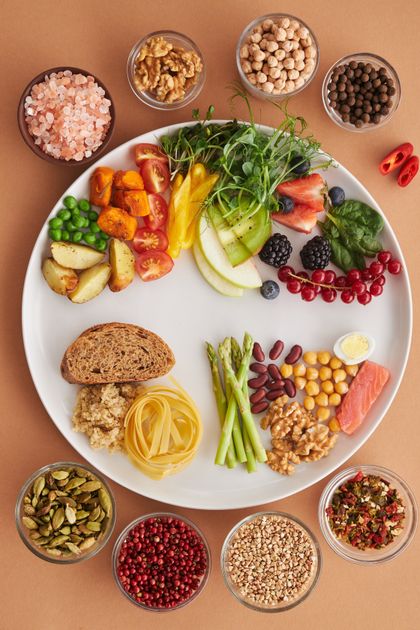
What protein is and why it matters
Protein is an essential nutrient — your body uses it to build and repair tissue, produce enzymes and hormones, and keep the immune system running. Unlike carbs and fat, the body doesn't store protein for later. That means you need to take in enough of it every single day.
Feeling full is tied directly to protein, too. Meals with more protein hold off hunger longer than meals with the same calories coming from carbs. That's why a breakfast that's just toast doesn't hold you over the way one with eggs does.
In practice, the problem usually isn't knowing what to eat — it's not having the right foods on hand. A pantry stocked with eggs, beans, and canned tuna already covers most of the week's protein, no meal plan required.
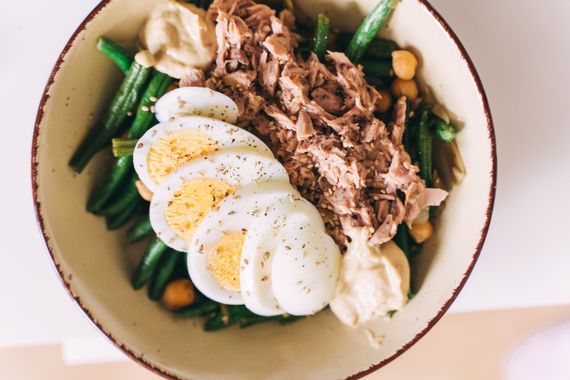
Photo: Alesia Kozik / Pexels
Animal sources: the most concentrated
Animal proteins have a more complete amino acid profile and are easier for the body to absorb. That doesn't mean plant proteins are inferior — it just means that, ounce for ounce, animal sources tend to pack in more protein per serving.
1. Chicken breast — ~31g per 100g
The most concentrated food on this list among affordable options. Plain grilled chicken breast has about 31g of protein per 100g, with very little fat. It's easy to cook in bulk and holds up cold in tomorrow's lunch container. The cheapest way to get a lot of protein for the calories.
2. Canned tuna — ~26g per 100g
Tuna packed in water has about 26g of protein per 100g, drained. No cooking required, it lasts for months in the pantry, and it's one of the cheapest proteins per gram you can buy. Tuna in oil has the same protein with more fat — comes down to preference. A standard 5-ounce can delivers close to 40g of protein, ready in 30 seconds.
3. Lean beef — ~21–26g per 100g
Lean cuts like sirloin and round land between 21g and 26g of protein per 100g cooked. Fattier cuts have proportionally less protein because the extra fat dilutes the percentage by weight. If protein is the goal, pick cuts with less visible fat.
4. Cottage cheese — ~11g per 100g
Underrated. Cottage cheese has about 11g of protein per 100g, with low fat and fewer calories than most other cheeses. It works at breakfast with fruit, spread on toast, or swapped in for sour cream in sauces. It's not going to win on flavor against other cheeses — but it's functional.
5. Plain Greek yogurt — ~8–10g per 100g
Regular yogurt has less than half the protein of Greek. Full-fat plain Greek yogurt runs 8g to 10g per 100g. With granola and fruit, you start the day with protein and zero effort. Check the label — anything labeled "Greek-style" or loaded with added sugar can have a lot less than the name implies.
6. Eggs — ~6g each
A medium egg has about 6g of protein. Two eggs add up to 12g. It's not the highest number per 100g on this list, but eggs carry one of the highest-quality proteins available: all the essential amino acids in good proportion. That's why eggs became the reference point nutrition science compares other proteins against. At a low cost per egg, it's hard to beat for value.
Plant sources: protein without meat
Plant protein tends to have an incomplete amino acid profile compared to animal protein. The fix is variety — combining different sources across the day covers your needs without a supplement. Beans and rice, lentil soup with bread, hummus with pita: these pairings existed long before "complete protein" became a wellness buzzword.
7. Peanuts — ~26g per 100g
The highest protein concentration among the plant foods on this list. Peanuts and peanut butter both run about 26g of protein per 100g. They're calorie-dense — most of that weight is fat — but in a moderate portion, peanuts are one of the more filling, nutrient-dense snacks around. Peanut butter on whole wheat toast is hard to beat on convenience and cost.
8. Lentils — ~9g per 100g cooked
Cooked lentils have about 9g of protein per 100g and cook fast — 20 minutes, no soaking required, unlike dried beans. They're one of the most practical legumes around. Good in soup, salad, or swapped in for ground meat in a sauce. Lentils also bring iron, which matters for anyone cutting back on meat.
9. Chickpeas — ~9g per 100g cooked
Same percentage as lentils. Roasted chickpeas keep the protein with a crunchy texture that works as a snack. They take longer to cook from dried than lentils do, but canned chickpeas are ready to use straight away. A standard 15-ounce can has roughly 240g of drained chickpeas — close to 22g of protein per can.
10. Beans — ~8g per 100g cooked
The classic. Cooked black beans or pinto beans have about 8g of protein per 100g. It's not the highest number here, but beans show up in meals easily enough that the daily total adds up fast. Paired with rice, the amino acid profile improves considerably — a combination that works in nearly every cuisine, not just one.

Photo: Pixabay / Pexels
How much protein per day
The general WHO guideline for sedentary adults is 0.8g of protein per kilogram of body weight per day — about 0.36g per pound. A 154-pound (70kg) person needs roughly 56g a day. If you exercise regularly, that range goes up to 1.2g–2g per kilogram.
To see how 56g shows up across a normal day of eating:
- Breakfast: 2 eggs + 100g Greek yogurt → ~20g
- Lunch: 100g grilled chicken + 50g cooked beans → ~25g
- Snack: 2 tablespoons peanut butter → ~7g
- Dinner: 1 can (5oz) tuna → ~22g
That example clears 70g — enough for most people. No supplements, no protein powder, nothing you can't find at a regular grocery store. Access isn't the bottleneck — not having these foods on hand when you need them is.
How to fit more protein into your routine without overhauling it
The hard part usually isn't lunch — that already has chicken or beef in it most days. The problem is breakfast and snacks, which tend to be all carbs. Toast, crackers, cereal. Fine, but nothing that holds off hunger until lunch. You show up to your midday meal hungry enough for two.
Three small changes that add up over a week:
- Add an egg to breakfast — fried, scrambled, boiled, doesn't matter. That's 6g more a day for almost no extra effort.
- Swap crackers for peanuts or peanut butter as a snack. More protein, better fat, more staying power until dinner.
- Keep canned tuna on the standing shopping list. Ready protein in 30 seconds for salad, toast, or a bowl of rice.
What actually moves the needle isn't the main meal — it's what you eat between them. People who get protein into their snacks end up eating less at dinner without trying. The problem is these items quietly run out of the pantry without ever making it back onto the list. Peanuts run out. Tuna runs out. And when you actually need them, all that's left is crackers.
A stocked pantry is protein you don't have to think about. Mise handles it.
Start free →Frequently asked questions about high-protein foods
How much protein do I need per day?
The general guideline is 0.8g per kilogram of body weight for sedentary adults — about 0.36g per pound. If you exercise regularly, that range goes up to 1.2g–2g per kilogram. A sedentary 154-pound (70kg) person needs roughly 56g a day — two eggs, a chicken portion at lunch, and a Greek yogurt get you most of the way there.
What's the highest-protein food in a regular kitchen?
Among everyday, affordable foods, chicken breast has one of the highest concentrations: about 31g per 100g cooked. Canned tuna comes close at 26g per 100g. Peanuts also hit 26g per 100g and are the most concentrated plant source you'll find in a regular grocery aisle.
Do eggs have a lot of protein?
A medium egg has about 6g of protein. Two eggs add up to 12g — a solid base for breakfast. What sets eggs apart is quality: they contain all the essential amino acids in good proportions, which makes egg protein one of the most usable by the body.
Do beans have enough protein to replace meat?
Beans have protein, but not all the essential amino acids in ideal proportion on their own. The fix is pairing them with a grain like rice — together they form a more complete amino acid profile. For people who don't eat meat, beans and rice are a solid base, as long as the total amount eaten in a day is enough.
How do I get more protein at breakfast?
The most practical options: scrambled or boiled eggs (6g each), plain Greek yogurt (8–10g per 100g), cottage cheese (11g per 100g), or peanut butter on toast (26g per 100g). Any two of these together already give you a decent protein base before lunch.
What's the cheapest protein source?
Eggs and dried beans are consistently among the cheapest protein sources per gram, in most markets. Eggs deliver 6g of protein each at a low per-unit cost, and dried beans cost little per pound while packing about 8g of protein per 100g cooked. If you're watching cost without giving up protein, those two are the starting point.
Is plant protein as good as animal protein?
Animal protein has a more complete amino acid profile and is easier for the body to absorb. That doesn't mean plant protein is bad — it means you need to vary your sources. Combining legumes with grains throughout the day covers the needs of anyone who doesn't eat meat.
Protein where it belongs.
Let Mise handle the rest.
Pantry, shopping list, and recipes connected in one place. You know what's at home — and the tuna doesn't disappear from the pantry without landing back on the list.