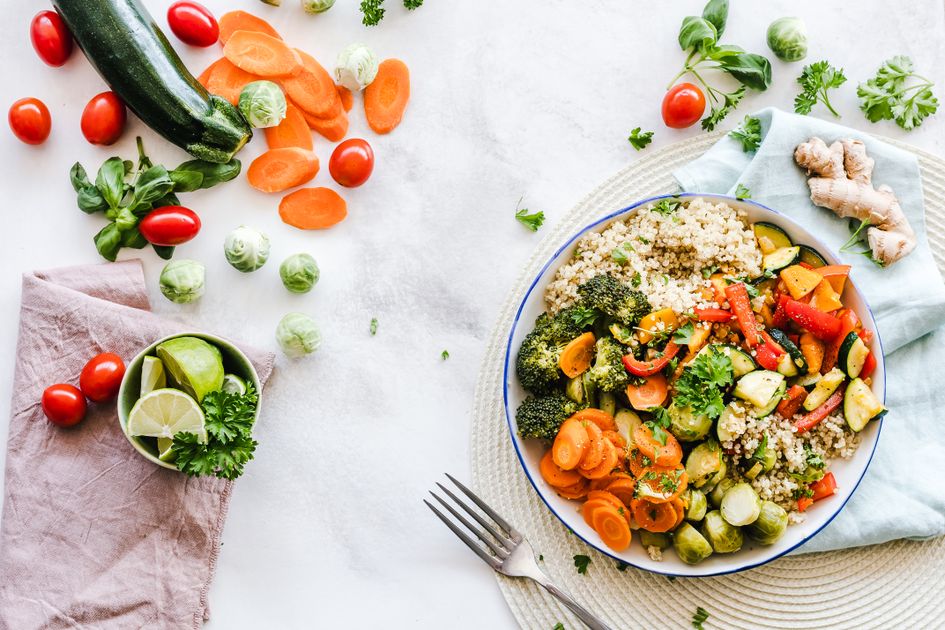

Photo: Ella Olsson / Pexels
What gluten is and who actually needs to avoid it
Gluten is a group of proteins found naturally in wheat, barley, and rye. It's what gives bread dough its stretch — the ability to expand without tearing. For most people, it's completely harmless and has been part of the human diet for thousands of years.
Two conditions turn gluten into a real problem: celiac disease and non-celiac gluten sensitivity. Celiac disease is an autoimmune condition — eating gluten triggers an immune response that attacks the small intestine, damaging its ability to absorb nutrients. It's estimated to affect about 1% of people in the US, and a large share are undiagnosed. Gluten sensitivity is a different condition: it causes real digestive discomfort, but without the autoimmune response or intestinal damage seen in celiac disease.
For someone with celiac disease, cutting out gluten completely isn't a preference — it's treatment. Even a small amount can cause damage, which is why knowing exactly what's on the plate and in the cart matters so much.
An honest note: cutting gluten without a diagnosis has no proven benefit for people without these conditions. It can actually mean eating fewer whole grains, and with them, less fiber and fewer nutrients. A gluten-free diet is treatment for some people — it's not a wellness upgrade for everyone else.
Naturally gluten-free foods
The foundation of a gluten-free diet is wider than most people assume. The list of naturally safe, unprocessed foods is long — the trouble starts once something gets processed, blended, or manufactured on shared equipment with wheat.
Grains, flours, and starches that are safe
- Rice (white, brown, parboiled)
- Corn, cornmeal, and corn starch
- Quinoa
- Buckwheat (despite the name, no wheat at all)
- Millet
- Amaranth
- Sorghum
- Certified gluten-free oats
- Rice flour
- Almond flour
- Coconut flour
- Chickpea flour
- Tapioca and arrowroot starch
These are the direct substitutes for wheat flour in recipes. Each behaves differently — rice flour is neutral, almond flour adds fat and moisture, tapioca starch gives a chewy texture. Most gluten-free baking works best by combining two or three of these rather than swapping in just one.
Animal protein
Fresh meat, poultry, fish, and seafood are naturally gluten-free. Same with eggs. The problem starts when protein is processed: breaded items use wheat flour, sausages and deli meats often use wheat starch as a binder, and traditional soy sauce is brewed with wheat.
Plain dairy
Milk, cheese, butter, and plain yogurt don't contain gluten. Watch out for flavored yogurts (thickeners can contain gluten), pre-sliced processed cheese, and malted milk drinks.
Produce and legumes
All fresh vegetables are safe. All fruit is safe. Beans, lentils, chickpeas, and peas in their dried or fresh state don't contain gluten. The exception is canned or processed versions — pre-made vegetable broths, boxed soups, and marinated vegetables can carry thickeners or additives with gluten.
Natural fats and seasonings
Olive oil, other vegetable oils, butter, and lard are gluten-free. Salt, sugar, honey, and plain vinegar are safe too. Fresh herbs and whole spices — garlic, onion, chili, cumin, turmeric — don't contain gluten. The risk is in pre-mixed seasoning blends and packets that combine several spices with a filler ingredient.
Building a gluten-free shopping list gets a lot easier once you already have your safe staples saved. Mise lets you track your pantry and build the list straight from what you actually buy.
Open Mise
Photo: Ella Olsson / Pexels
What looks safe but isn't
This is the part that catches most people off guard. It's not the bread or the pasta that causes trouble — it's the ingredient list of products that seem to have nothing to do with wheat at all.
Soy sauce
Traditional soy sauce is brewed from wheat and soybeans — most bottles on a regular grocery shelf contain wheat. The gluten-free substitute is tamari, a Japanese-style soy sauce made without wheat, though not every tamari is automatically gluten-free either. If you cook a lot of Asian dishes, check the label or look specifically for one marked gluten-free.
Oats
Oats don't naturally contain gluten. But regular oats are commonly grown in rotation with wheat and processed on shared equipment, which makes cross-contact almost guaranteed unless the package says otherwise. For celiac disease, the only safe option is oats specifically labeled certified gluten-free — widely available at most grocery stores, just not the same box as regular oats.
Canned soup and bouillon
Bouillon cubes, canned soups, and pre-made broths frequently use wheat flour as a thickener. This is one of the most common sources of hidden gluten in an everyday kitchen. If you rely on packaged soup or broth often, read the label or switch to a homemade version.
Deli meat
Deli ham, salami, and processed sausages can contain wheat flour or wheat starch as a binder. Not all of them do — but enough that people with celiac disease need to check every brand. "Meat" on the front of the package doesn't guarantee gluten-free on the back.
Imitation crab (surimi)
A classic surprise: imitation crab, used in sushi rolls and seafood salad, is usually made from fish paste bound with wheat starch. Real crab is naturally gluten-free — the imitation version almost never is.
Seasoning packets and spice blends
Seasoning packets, taco mixes, and pre-made spice blends can use wheat flour as an anti-caking agent or filler. That's not always obvious from the front label. Check the ingredient list — wheat can show up as "wheat starch," "wheat flour," or simply "gluten."
Beer and malt beverages
Beer is made from malted barley — which contains gluten. Gluten-free beers exist, brewed from sorghum, rice, or corn instead, but they're still a smaller share of the market. Always check the label if the restriction is for celiac disease.
Licorice and some candy
Traditional black licorice often uses wheat flour in the recipe. It's one of the more surprising items on this list, since candy doesn't read as a wheat product. When in doubt, check the label — it applies to more of the candy aisle than people expect.
How to read a gluten-free label
In the US, the FDA's gluten-free labeling rule only allows the words "gluten-free," "no gluten," "free of gluten," or "without gluten" on a food that contains less than 20 parts per million (ppm) of gluten — the lowest level reliably detectable with current lab testing. That claim is regulated and enforceable, which makes it the fastest, most reliable check when you're standing in an aisle deciding.
Beyond the gluten-free claim itself, it's worth checking the ingredient list and the allergen statement. Under US law, wheat is one of the nine major food allergens that must be clearly declared — usually in a "Contains: Wheat" line right under the ingredients. Gluten can also show up in the ingredient list as:
- Wheat (wheat flour, wheat starch, wheat bran, wheat germ)
- Barley (barley malt, malt extract, malt flavoring)
- Rye
- Oats (unless certified gluten-free)
- Malt (usually derived from barley)
A "may contain wheat" or "processed in a facility that also processes wheat" statement flags cross-contact risk — the product wasn't made with gluten on purpose, but it was made on equipment or in a facility that also handles gluten-containing grains. For mild sensitivity, that risk might be acceptable. For celiac disease, it's a real risk and worth avoiding.
Certification logos from third-party organizations, like the Gluten-Free Certification Organization (GFCO), add an extra layer of confidence beyond the FDA claim. They're not legally required, but they mean the product has been independently tested, not just self-declared by the manufacturer.
The gluten-free grocery list
Building a gluten-free shopping list takes some attention the first few times. Once you've mapped which brands are safe and where gluten tends to hide in your own cooking routine, it gets a lot more automatic.
A useful way to think about it: split your groceries into three buckets — what goes in the cart with zero worry, what needs a label check, and what to swap when a recipe calls for it.
Goes in the cart without checking
- White, brown, or parboiled rice
- Potatoes, sweet potatoes, and yams
- Dried beans, lentils, chickpeas, and peas
- Fresh meat, poultry, fish, and seafood
- Eggs
- Milk, cheese, butter, and plain yogurt
- Fresh fruits and vegetables
- Olive oil and plain vegetable oils
- Sugar, salt, and honey
- Garlic, onion, fresh herbs, and whole spices
- Corn on the cob and plain popcorn
- Rice flour and corn flour
Needs a label check
- Deli meat and sausages
- Canned soup and bouillon
- Canned or boxed tomato sauce
- Seasoning packets and spice blends
- Soy sauce
- Oats (only buy certified gluten-free)
- Chips and packaged snacks
- Flavored yogurt and malted drinks
- Imitation crab and other processed seafood
Swaps for recipes
- All-purpose flour → rice flour, gluten-free flour blend
- Regular pasta → rice pasta or corn pasta
- Sandwich bread → certified gluten-free bread
- Soy sauce → tamari (check it's labeled gluten-free)
- Bouillon cube → homemade stock or certified gluten-free bouillon
Keeping these items organized in your pantry makes it easier to track what you have and avoid surprises mid-week. Knowing what's already at home before you shop matters even more when the dietary restriction is real — improvising can get expensive fast.
Whether the reason is celiac disease, a diagnosed sensitivity, or you're cooking for someone who needs it, the approach is the same: lock in which brands are safe, keep the list organized by aisle, and cut down on the guesswork every time you shop.
Frequently asked questions about gluten-free foods
Does rice have gluten?
No. Rice — white, brown, or parboiled — is naturally gluten-free. Gluten comes from wheat, barley, and rye, not rice. The only exception is seasoned rice mixes or flavored packets, which can include gluten-containing additives. Plain rice is safe for people with celiac disease.
Can people with celiac disease eat oats?
Oats don't contain gluten on their own, but they're very often grown, transported, or processed alongside wheat, barley, or rye, leading to cross-contact. People with celiac disease should only buy oats specifically labeled certified gluten-free — tested and processed on dedicated lines.
Is corn gluten-free?
Yes. Corn on the cob, cornmeal, corn starch, popcorn, and corn flour are all naturally gluten-free. The risk shows up in processed corn products that add other ingredients — seasoned corn chips or pre-made mixes, for example. Always check the ingredient list on anything processed.
Should everyone avoid gluten?
No. For people without celiac disease or a diagnosed gluten sensitivity, cutting gluten has no proven health benefit and can mean eating less fiber and fewer nutrients found in whole grains. A gluten-free diet is medically necessary for celiac disease — for everyone else, it's a restriction, not an upgrade.
What surprising foods contain gluten?
The most common culprits: regular soy sauce (made with wheat), canned soups and bouillon cubes thickened with wheat flour, deli meats using wheat starch as a binder, imitation crab, malt-flavored cereals, seasoning blends, and beer. Always check the ingredient list — US law requires wheat to be declared as a major allergen.
How do I know if a product is actually gluten-free?
In the US, the FDA only allows a "gluten-free" label on foods with less than 20 parts per million of gluten. Look for that label, then check the ingredient list for wheat, barley, rye, malt, or uncertified oats. "May contain wheat" signals cross-contact risk, which matters most for celiac disease.