
Photo: Vie Studio / Pexels
What it is, and where the name comes from
The name is a contraction of partially boiled. Before the grain is husked and polished, it's soaked in hot water and steamed under pressure. The heat gelatinizes the starch and carries B vitamins and minerals from the bran into the grain's interior.
The process is old — it started in India and the Middle East more than 2,000 years ago, originally to make hand-husking easier and to keep rice from spoiling in humid climates. In the US, the technique became widely known through Uncle Ben's, which launched converted rice commercially in the 1940s and still uses "converted" as the label term today.
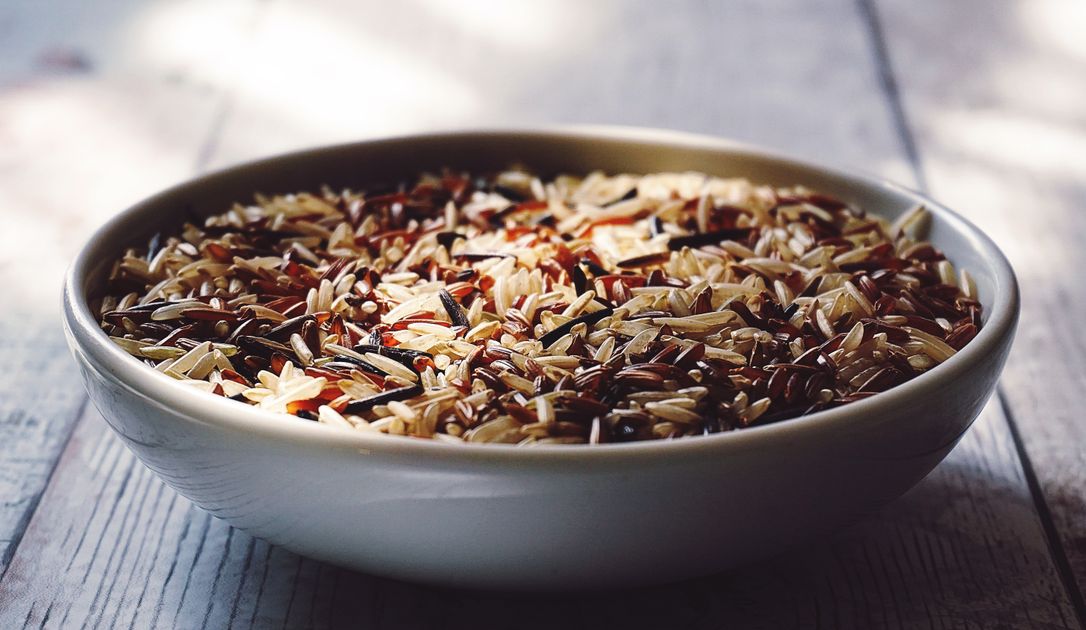
The faint yellow tint on the raw grain isn't a flaw — it's the beta-carotene and vitamins that stayed in the grain after processing. Polished white rice looks translucent because it lost those compounds during milling. Once cooked, the visual difference mostly disappears on the plate.
How the parboiling process works
Three stages: unhusked rice is soaked in hot water for several hours; it's then steamed under pressure, which gelatinizes the starch and pushes nutrients from the bran toward the endosperm; finally, it's dried slowly before moving on to standard milling.
The practical outcome: the grain becomes denser, the nutrients sit inside it, and the gelatinized starch structure means cooked grains stay more separate — less prone to turning mushy than polished white rice. The International Rice Research Institute (IRRI) documents parboiling as one of the oldest rice-processing methods still used industrially today.
The process also extends shelf life. Parboiling inactivates the enzymes that break down fat in the bran layer, which is a big part of why parboiled rice resists rancidity and pests better than regular milled rice.
Parboiled vs white vs brown rice: the key differences
| White rice | Parboiled rice | Brown rice | |
|---|---|---|---|
| Nutrients | Low — bran removed | Medium — migrated into grain | High — bran intact |
| Glycemic index | High (~73) | Medium (~47) | Low (~50) |
| Cook time | ~15 min | ~15–20 min | ~40 min |
| Texture | Soft, turns mushy easily | Separate, firm | Firm, chewier |
| Flavor | Neutral | Slightly nutty | Earthy, more intense |
Nutrition data for each rice type is tracked in USDA FoodData Central, broken down by preparation method.
Parboiled rice occupies a functional middle ground: more nutritious than white, faster and easier to work with than brown. For anyone who wants to upgrade their everyday rice without overhauling the routine, it's the most direct swap on the shelf.
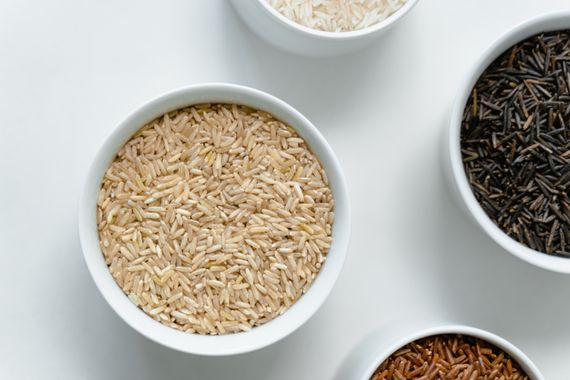
Photo: MART PRODUCTION / Pexels
Taste, color, and texture
Parboiled rice has more flavor than white, but nowhere near the depth of brown. Coming from polished white, you'll notice the grain is firmer, less starchy on the surface, and doesn't turn mushy as easily.
That separate texture is the real practical upside. Parboiled rice holds up well after sitting, reheats better the next day, and does well in a rice cooker — where white rice tends to clump if the cycle runs a little long. If you've ever pulled a solid block of rice out of a rice cooker, you already know the problem it solves.
The faint yellow tint fades once it's cooked. On the plate it looks almost identical to white rice — most people can't tell the difference by sight alone.
How to cook parboiled rice
The basic technique is the same as white rice, with a few adjustments that change the outcome.
- 1Rinse before cooking
Parboiled rice doesn't shed much starch when rinsed, unlike white rice, but a rinse still clears dust from processing. One or two passes of water is enough — no need to rinse until the water runs clear.
- 2Ratio: 1 cup rice to 2 cups water
The standard ratio works fine. Parboiled rice absorbs water more evenly than white. For firmer, more al dente grains, cut the water to 1.8 cups. Don't stir once it starts boiling — the gelatinized starch on the surface makes grains stick if disturbed mid-cook.
- 3Time: 15 to 20 minutes, covered, on low heat
Bring to a boil on medium-high, then drop to the lowest setting and cover. The trapped steam does the work. Lifting the lid early releases steam and can leave the bottom layer undercooked. Once you turn off the heat, let it rest 5 minutes, still covered.
- 4Fluff with a fork before serving
After resting, run a fork through the rice with light upward strokes. This separates the grains and releases trapped steam. Parboiled rice visibly separates more than white rice at this step — that's the sign the process worked.
What dishes parboiled rice works for
Parboiled rice is a solid choice anywhere you want separate, firm grains. There's one specific case where it doesn't work: risotto.
- Everyday side rice — the easiest direct swap for plain white
- Rice cooker batches — holds up through the full cycle without clumping
- Rice salads — stays separate even cold
- Baked rice dishes — firm texture holds through oven time
- Rice bowls with chicken or beef — grains stay distinct on the plate
- Fried rice — the firmer grain fries up drier and separates better in the pan
For risotto, stick with arborio or carnaroli — the surface starch on those short-grain varieties is what builds the signature creaminess. Parboiled rice was engineered to do the opposite: grains that don't shed starch, that don't cling to each other. It's the right rice for everyday cooking. It's the wrong rice for anything that depends on creaminess.
An organized pantry means knowing the rice ran out before you're standing in the aisle guessing. Mise handles that.
Start free →Is parboiled rice worth buying
Depends on what you want from your rice.
If you eat rice most days and want to upgrade quality without changing your routine, parboiled is the most direct trade available. It typically runs a little more per bag than plain white — and delivers grains that are more nutritious, more separate, and less prone to turning mushy. For anyone building a weekly shopping list around rice as a staple, the swap is an easy call.
If maximum nutrition is the priority and you're willing to change texture and cook time, brown rice is the stronger choice. But a 40-minute cook time and chewier texture are real barriers — most people who try switching to brown rice drift back to white within a few weeks. Parboiled is the middle ground that actually sticks as a habit.
In the pantry, it keeps for up to 2 years in a sealed container — longer than plain white rice. That makes it a safe bet to buy in bulk without worrying about waste. If you're building out a weekly meal plan, it fits into almost any meal without needing to adjust the recipe around it.
Parboiled rice isn't a new ingredient or a trend. It's the same grain you already know — just with one extra step before it reaches your pot.
Frequently asked questions about parboiled rice
Is parboiled rice healthier than white rice?
Yes. The process pushes B vitamins, minerals, and some fiber from the bran into the grain before milling removes it — nutrients plain white rice loses. Parboiled rice also has a lower glycemic index than regular white rice. It doesn't match brown rice, but it's the better choice among milled white rices.
Is parboiled rice the same as converted rice?
Yes. In the US, "converted rice" is the common name for parboiled rice, popularized by the Uncle Ben's brand starting in the 1940s. Both terms describe the same soak-steam-dry process before milling.
Does parboiled rice have more calories than white rice?
No, calories are close to regular white rice — about 125 per 100g cooked. The real difference is the glycemic index: it digests more slowly, which keeps you full longer. Not a weight-loss food on its own, but a steadier energy source than polished white.
What's the difference between parboiled and brown rice?
Brown rice keeps its bran and germ intact, so it has more fiber, more vitamins, and a lower glycemic index. Parboiled rice still loses the bran in milling — it just keeps more of what migrated inward during steaming. In exchange, it cooks in about a third of the time.
Can you use parboiled rice for risotto?
No. Risotto depends on surface starch for creaminess — arborio and carnaroli release that starch as they cook. Parboiled rice has its starch gelatinized inside the grain, so it stays separate and resists absorbing extra liquid. The result would be dry, not creamy.
Is parboiled rice gluten-free?
Rice is naturally gluten-free, parboiled included. It's safe for celiac disease and gluten sensitivity. The only caveat is cross-contamination at facilities that also process wheat — check the label if you need a certified gluten-free product.
Know what's in the pantry.
Let Mise handle the rest.
Pantry, recipes, and shopping list in one place. You know what you have, buy only what you need, and stop finding out the rice is gone once the pan is already hot.